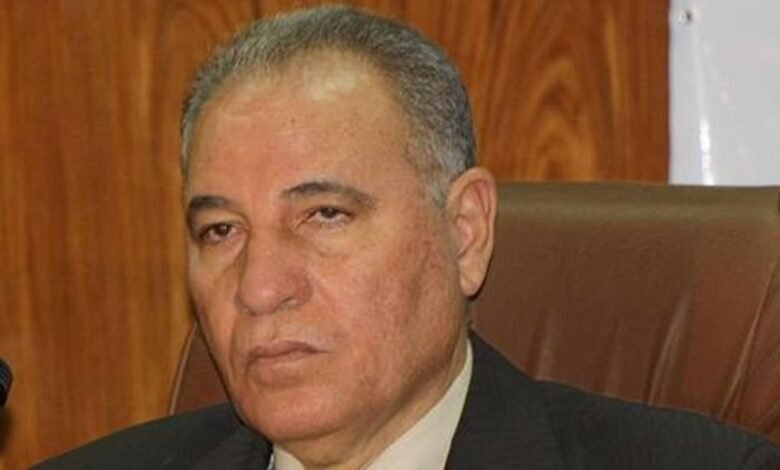
Ahmed El-Zend, the former Minister of Justice and a prominent figure associated with the 2013 military coup in Egypt, has died. He passed away on Saturday in the capital city of Cairo at the age of 80. His death has triggered significant reaction, particularly among activists who view him as one of the primary instigators behind the violence that followed the overthrow of President Mohamed Morsi.
Early Life and Judicial Career
El-Zend was born in 1946 in the village of Demntu, located in the Gharbia Governorate. He graduated from the Faculty of Sharia and Law at Al-Azhar University in 1970. His professional trajectory began within the Egyptian Public Prosecution before he transitioned into the judiciary. He served for several years as a judge in the courts of appeal. Later in his career, he was seconded to the United Arab Emirates, where he assumed the role of president of the Sharia Court in the Emirate of Ras Al Khaimah during the early 1990s. From 1993 to 1996, he worked as a legal advisor to the Crown Prince of the Emirate.
Role in the 2013 Coup and Controversy
El-Zend is widely recognized as one of the leading faces of the political upheaval that occurred in Egypt in 2013. Following his return to Egypt, he held high-ranking positions within the state apparatus, including serving as the Minister of Justice. However, his legacy remains deeply polarized due to his alleged involvement in the suppression of protests against the military takeover.
Activists have extensively circulated footage and statements attributed to El-Zend, accusing him of inciting violence against opponents of the coup. In these recordings, he is reported to have called for the execution of thousands of protesters. Specifically, activists cite claims that he advocated killing 10,000 demonstrators for every police officer killed. Furthermore, he is accused of urging the opening of prisons to detain any political opponents.
Public Reaction
The announcement of his death sparked immediate outrage among human rights advocates and political activists. Many took to social media to express their condemnation of his actions during the turbulent period following the 2013 events. The prevailing sentiment among critics is that El-Zend played a crucial role in legitimizing the crackdown on dissent. One notable comment shared by activists highlighted the severity of his rhetoric, suggesting that his statements were so extreme they would warrant imprisonment even if uttered by religious figures. The widespread dissemination of these reactions underscores the enduring controversy surrounding his tenure and his specific contributions to the legal and political framework used to justify the post-coup measures.