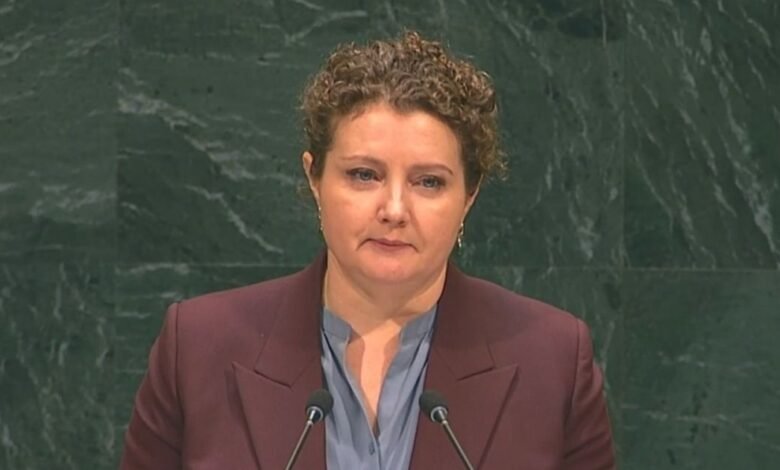
Anna Ivestignieva, the Deputy Permanent Representative of Russia to the United Nations, has issued a formal response regarding the stance taken by Washington concerning the Western Sahara dispute. The American position centers on the recognition of Moroccan sovereignty over the territories in question. In her statement, Ivestignieva clarified that while Russian officials comprehend the rationale behind the US viewpoint and are obligated to take it into consideration, such a perspective cannot be unilaterally imposed upon the Security Council.
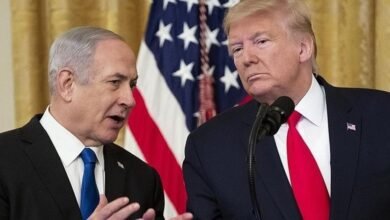
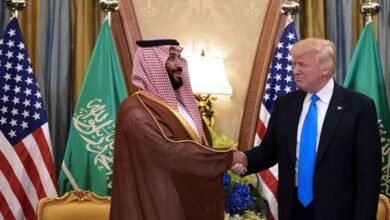
This diplomatic friction follows developments from August last year, when the Royal Diwan of Morocco announced that US President Donald Trump had reaffirmed the United States’ recognition of Moroccan sovereignty over the Western Sahara. The announcement emphasized support for the autonomy plan proposed by Rabat, describing it as the “only basis” for reaching a fair and lasting solution to the conflict that has persisted for approximately half a century.
The recent tensions culminated in an unprecedented confrontation within the UN Security Council regarding the file of the Western Sahara. During this session, Russia exercised its veto power to block a draft resolution introduced by the United States. The American proposal aimed to redefine the mandate of the United Nations Mission for the Referendum in Western Sahara (MINURSO), seeking to establish the Moroccan autonomy plan as the foundation for negotiations. However, a counter-Russian project designed to extend the mission’s mandate without altering its tasks also failed to secure the necessary votes for adoption.
The session concluded without the approval of either draft, leaving the future of the UN mission in a precarious position and highlighting sharp disagreements between Moscow and Washington regarding the framework for political settlement. The American project received support from 11 members of the Council, with one opposing vote from Russia and three abstentions. Nevertheless, the Russian veto prevented its adoption.
Conversely, the Russian initiative, which called for extending MINURSO’s mandate for an additional year without changes to its name or functions, garnered only three affirmative votes. It faced one opposing vote from the United States and 11 abstentions from other members. Consequently, the project fell due to failing to reach the minimum requirement of nine votes needed for passage. While the United States did not use its veto procedurally against the Russian draft, its opposition contributed to the failure of the motion, underscoring the deep divide between the two powers on how to proceed with the resolution of this long-standing regional dispute.