Internal Friction Within the Peace Council
Before the National Committee for the Management of Gaza could assume its operational duties, the so-called “Peace Council” initiated discussions to replace four of its appointed members. According to sources monitoring the crisis, the proposed changes target the committee’s leadership and key functional heads. The list includes Ali Shuqair, who serves as the chairman of the committee, Hanaa Tarazi, the Commissioner for Social Protection, Sami Nisaman, the Commissioner for Internal Affairs, and Husni Al-Mughni, the Commissioner for Civil Peace.
The stated justification for these potential dismissals is “poor performance.” However, critics argue that this assessment is premature given that the committee has been prevented from operating within Gaza since its formation in January. More than 13 months have passed since the ceasefire began, yet the Netanyahu government continues to block the committee’s entry into the territory. Sources indicate that the Peace Council has postponed the personnel adjustments until the committee is allowed to enter, fearing that internal discord could worsen. There is also hope that launching certain projects might restore the image of both the council and the committee.
Parallel Oversight and Financial Allegations
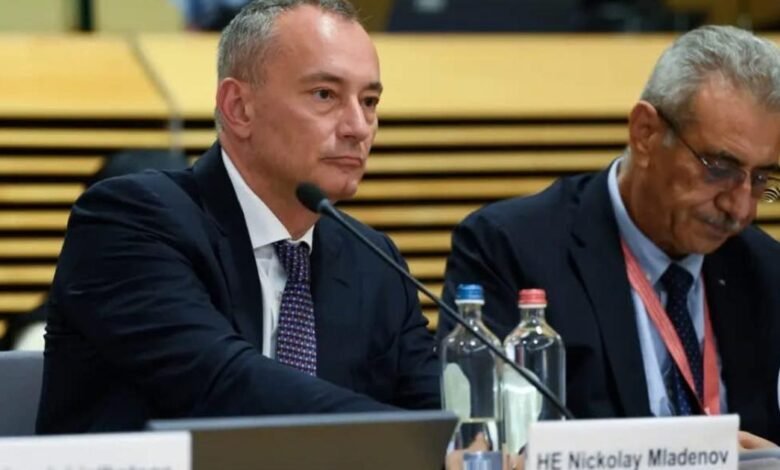
The internal power struggle coincides with emerging allegations regarding financial irregularities and the appointment of relatives within the committee. While the committee’s entry remains suspended, Nikolay Mladenoff, the High Representative of the Peace Council for Gaza, has recently appointed commissioners inside the sector. These officials monitor specific portfolios and report directly to Mladenoff, effectively bypassing the national committee structure.
Mladenoff has also requested that international institutions operating in Gaza send copies of their reports directly to his office. This move allows him to gather extensive data and issue statements, although the actual impact on the ground remains limited. The latest joint evaluation by five international humanitarian organizations rated the implementation of the plan at just four points out of 26, with zero points awarded for humanitarian access.