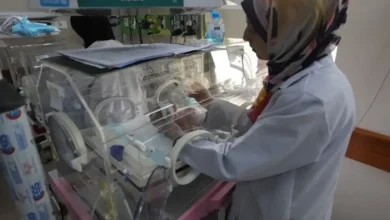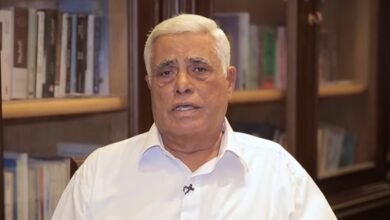
Ed Miliband, the British Foreign Secretary, has ignited a diplomatic dispute with Israel following his public condemnation of the humanitarian and medical crisis in the Gaza Strip. The controversy emerged after Miliband met with international aid workers and medical personnel, some of whom had recently returned from Gaza or were participating remotely from within the territory. During this meeting, he received firsthand testimonies regarding the dire state of healthcare services, which he described as ‘horrifying.’ He highlighted specific accounts of children dying while awaiting life-saving treatment and noted that essential medications were being held up, preventing timely care.
Diverging Narratives on Aid Access
In response to Miliband’s statements, the Israeli Ministry of Foreign Affairs issued a strong rebuttal, accusing the British minister of relying on anecdotal stories rather than verified field realities. Israeli officials asserted that there are no restrictions on the entry of medicines into Gaza, citing that approximately 22,500 tons of medical supplies have been delivered since the ceasefire began. They further stated that around 200 patients have been allowed to leave Gaza for treatment abroad over the past two weeks. Israel emphasized that the UK is a member of the International Support Center for Gaza, an entity tasked with facilitating medical aid, and accused Miliband of disregarding these operational facts in favor of a political narrative aimed at domestic audiences.
Critical Shortages and Infrastructure Damage
Concurrently, Palestinian health authorities have provided detailed statistics underscoring the severity of the sector’s collapse. On August 3, the Gaza Ministry of Health reported critical shortages in pharmaceuticals and medical equipment due to the ongoing blockade. Data indicated a 61% deficit in cancer and blood disease medications, a 47% overall drug shortage, and a 58% lack of medical supplies. Furthermore, laboratory testing materials were down by 85%, severely hampering the ability of medical staff to diagnose critical cases promptly. The ministry warned that the scarcity of basic tests, including blood gas and clinical chemistry analyses, directly impacts patient survival rates.
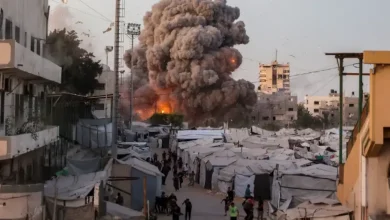
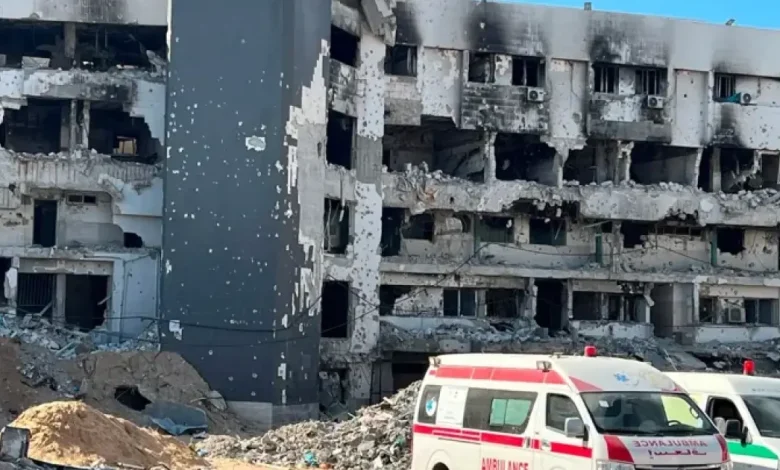
The physical destruction of medical infrastructure has compounded these logistical challenges. On August 1, the ministry announced that Israeli airstrikes caused severe damage to drug warehouses within the Al-Shifa Medical Complex. Two storage units were completely destroyed, while two others suffered significant harm, alongside extensive damage to outpatient clinics. This destruction resulted in the loss of vital medications intended for treating patients and wounded individuals. Since the war began on October 7, 2023, dozens of hospitals and primary care centers have been partially or fully rendered non-functional due to bombardment, fuel shortages, and supply cuts. The conflict has also claimed the lives of 1,701 healthcare workers, including 320 consultants and specialists, leaving the remaining system under immense pressure to serve the growing needs of the population.