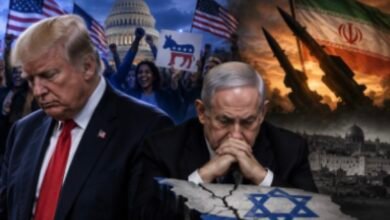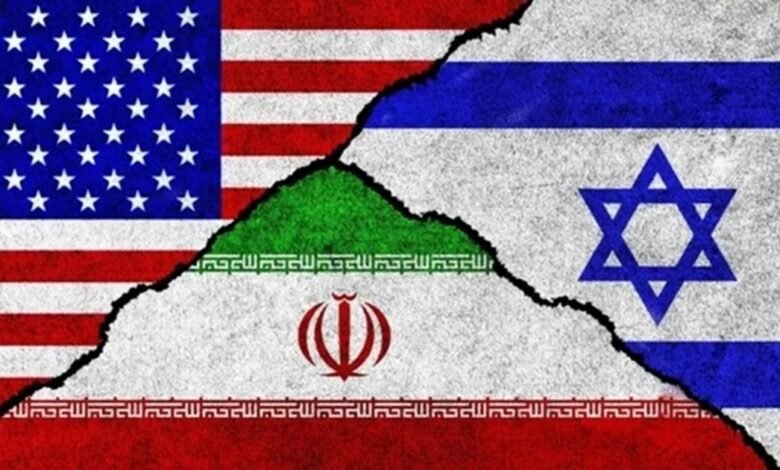
Escalating military tensions between the United States and Israel against Iran have intensified following the conclusion of Israeli elections and the US midterm elections. Analysts suggest that these geopolitical shifts, coupled with the failure of previous military plans to achieve stated objectives, have created a scenario where aggressive action serves as a political refuge for Prime Minister Benjamin Netanyahu and President Donald Trump. The potential destruction of desalination plants in the Gulf region could transform the conflict from an energy economic dispute into an existential humanitarian crisis, threatening water supplies for over 100 million people and potentially causing regional governance collapse.
Nuclear Scenarios and Strategic Targets
Intelligence evaluations from Washington and Tel Aviv highlight the “Pickaxe Mountain” facility in central Iran as a critical strategic target. Reports from the Financial Times and statements by strategist Tucker Carlson confirm that Iran has resumed high-concentration uranium enrichment within this site. The facility is protected by tunnels dug more than 300 feet into solid granite, rendering it impervious to conventional penetration weapons. This geological challenge presents a tactical dilemma for the US administration, with pressure mounting from Netanyahu to consider tactical nuclear strikes as the only viable option to destroy the site. This approach contradicts Trump’s previously declared stance on Truth Social, which rejected nuclear options in favor of conventional deterrence, yet eroding conventional options may force a reconsideration of the nuclear taboo established since 1945.
Technical Limitations of Conventional Weapons
Technical assessments reveal significant obstacles in using standard bunker-busting munitions against Iranian fortifications. The MOAB (GBU-43/B), weighing 21,000 pounds, requires slow C-130 cargo aircraft for deployment, exposing them to Iran’s integrated air defense systems. Meanwhile, the MOP (GBU-57), previously used against Natanz and Fordo, lacks the mechanical capacity to penetrate the 300-foot granite layers at Pickaxe Mountain. David Albright, president of the Institute for Science and International Security, notes a sharp decline in intelligence visibility regarding Iran’s nuclear program compared to 2025, citing undisclosed facilities and technical personnel that make conventional strikes unpredictable.
Internal US Political Divisions
Decision-making institutions in Washington are deeply divided on how to manage the confrontation with Tehran. The “hawk” wing, led by Defense Secretary Pete Hegseth, CENTCOM Commander Brad Cooper, Secretary of State Marco Rubio, and CIA Director John Ratcliffe, advocates for decisive military action aligned with Israeli goals to dismantle Iran’s infrastructure. Conversely, the diplomatic wing, headed by Vice President JD Vance and Special Envoy Stephen Witkoff, pushes for comprehensive negotiations to avoid a protracted war. Professor John Mearsheimer and Dr. Trita Parsi attribute Iran’s hardline strategy to a total breakdown of trust following surprise attacks during negotiation rounds in February 2026 and June 2025. Iran insists on full sanctions relief, financial compensation, frozen asset returns, and complete US military withdrawal based on a memorandum dated June 17.
The political strain in Washington peaked when Senator Chris Murphy suffered a severe stroke after a classified intelligence briefing describing war plans as “crazy.” Previous officials like Mark Esper and Joseph Votel have warned about the lack of clear war objectives, citing Congressional Research Service reports of 81 damaged US aircraft and 21 American military deaths.