The Jewish People Policy Institute (JPPI), an independent organization based in Jerusalem, has released a comprehensive database documenting 121 restrictive measures imposed on Israel globally. The data categorizes these actions into 93 currently active measures, 19 historical ones, and nine that are either proposed or in the planning stages. The scope of these restrictions is broad, encompassing 40 financial measures, 24 related to security and defense, 24 commercial restrictions, 14 diplomatic actions, and 12 legal initiatives.
Geographic Distribution of Restrictions
Spain leads the list of countries with the highest number of recorded measures, accounting for ten actions. It is followed by the United States with eight measures, and the United Kingdom with seven. Belgium and Turkey each have five measures registered in the database. This distribution underscores the widespread nature of the scrutiny facing Israel, extending beyond regional neighbors to major Western powers and European allies.
Institute Warnings and Israeli Skepticism
Shuki Friedman, director of the JPPI, warned that the accumulation of these sanctions could expand their impact to include banks, corporations, investors, and commercial partners of Israel. He emphasized that the cumulative effect poses a significant risk to the country’s economic and diplomatic standing. In response, the Israeli Ministry of Foreign Affairs cast doubt on the accuracy of the data. Political sources within Israel stated that the country has not yet faced fundamental sanctions but cautioned that the situation could change in the future, particularly amid increasing European pressure regarding the war and trade with settlements.
Context and Legal Challenges
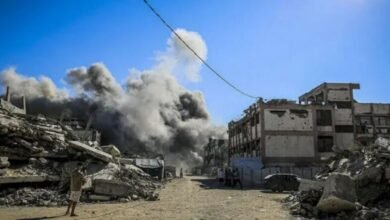
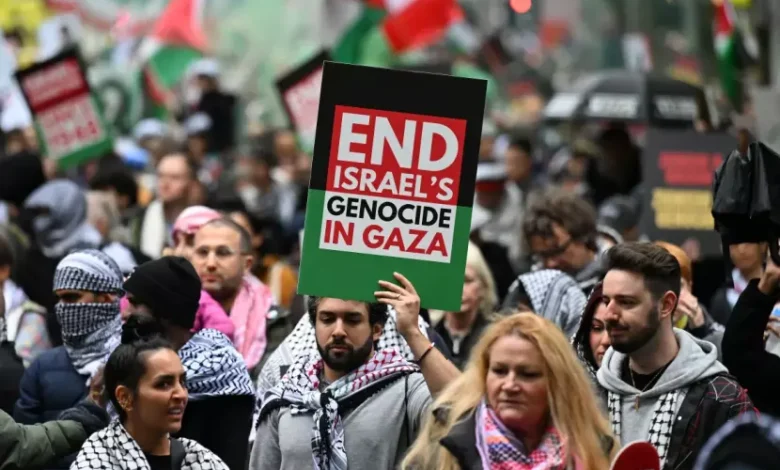
According to the Hebrew newspaper Yedioth Ahronot, the sheer number of steps does not necessarily indicate their severity or actual impact. A single measure may be more significant than several others combined; therefore, the primary goal of the map is to illustrate the breadth of the phenomenon and its geographic spread. International pressure on Israel has intensified in recent years, especially following its wars on the Gaza Strip, with growing demands for accountability regarding alleged violations against Palestinians and restrictions on military and commercial cooperation.
The measures taken or proposed include suspending arms export licenses, imposing sanctions on officials and settlers, and placing restrictions on dealings with settlement products. These efforts vary between countries that have taken concrete steps and those that have only made limited proposals. Recent legal movements before the International Court of Justice and the International Criminal Court have further escalated tensions. These include South Africa’s case concerning the Genocide Convention and the ICC’s issuance of arrest warrants in 2024 against Israeli Prime Minister Benjamin Netanyahu and former Defense Minister Yoav Gallant.