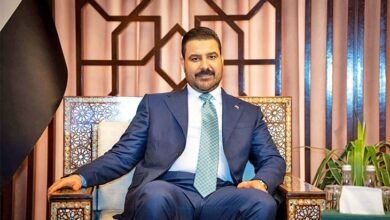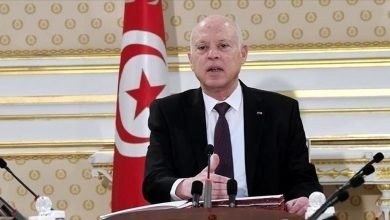
Gadi Eisenkot is actively pursuing every political avenue to form a new government in Israel without Benjamin Netanyahu at its helm. His strategy aims to redraw the map of alliances within the Knesset by attracting factions from the right-wing camp alongside opposition forces to secure the necessary majority. These moves suggest a dual political objective: opening the door for the Likud party to join the next administration while simultaneously removing Netanyahu from leadership. This maneuver indicates that the struggle extends beyond forming a coalition; it centers on Netanyahu’s political future and his ability to retain power.
Conversely, Netanyahu shows no willingness to relinquish his position easily. He has proposed a national unity government as a negotiating tactic with Eisenkot, seeking to remain a central player in the political landscape. However, his call for negotiations without preconditions raises questions about the concessions he might be willing to make. The ongoing tension between Eisenkot’s insistence on leading a government without Netanyahu and Netanyahu’s efforts to preserve his status creates a difficult test: whether Eisenkot can dismantle Netanyahu’s camp and attract part of Likud, or if Netanyahu can transform unity calls into an opportunity to stay in power.
Israeli affairs expert Fares Yaghi stated that the Israeli opposition seeks to strip Netanyahu of control over the legislative process, limiting his authority to executive functions during the transitional government period. Yaghi noted that most opposition forces believe Netanyahu no longer has a political future, viewing participation in any government led by him as a political loss and a betrayal of voters. He emphasized that a national unity government under Netanyahu via a rotation formula is unlikely due to the rejection by Democratic Party leader Yair Golan and reservations from other opposition leaders who prioritize Netanyahu’s removal.
Yaghi further explained that a government combining Netanyahu with former Prime Minister Naftali Bennett is also improbable, even under American pressure, due to Opposition Leader Yair Lapid’s refusal and Bennett’s fears regarding the political repercussions of partnering with Netanyahu. Regarding the possibility of a government including Haredi parties Shas and United Torah Judaism alongside the Arab Joint List, Yaghi pointed out conflicts over the conscription law. Eisenkot and most Zionist opposition forces insist on passing the law, whereas Haredi parties reject the proposed format. Additionally, Avigdor Lieberman refuses to align with Arab parties or rely on their support.
Addressing legal issues, Yaghi clarified that while Netanyahu faces corruption charges, the law does not bar him from becoming prime minister but restricts him from holding other ministerial positions. Implementing a rotation formula might require a pardon deal to bypass legal obstacles. Yaghi stressed that opposition leaders firmly reject a unity government led by Netanyahu, even with rotation, focusing instead on ending his rule. He observed that voting results show a majority capable of ousting Netanyahu, with broad segments of Jewish and Arab public favoring political change.
Regarding Eisenkot’s options, Yaghi outlined a scenario involving a Zionist-majority government by attracting Haredi parties through compromises on the conscription law, aiming to topple Netanyahu’s government and form a temporary administration before early elections. However, this faces complexities, particularly recruiting Shas leader Aryeh Deri, who has close ties to Netanyahu and shares legal issues. Success also requires Avigdor Lieberman’s approval, making implementation difficult. Alternatively, keeping Netanyahu as interim prime minister and proceeding to new elections remains a strong possibility. Yaghi warned that new elections may not benefit the Zionist opposition or guarantee the changes achieved through Arab voting, potentially consolidating right-wing and far-right rule if opposition forces fail to build a broad alliance.