Debates Over Urgency of Military Action
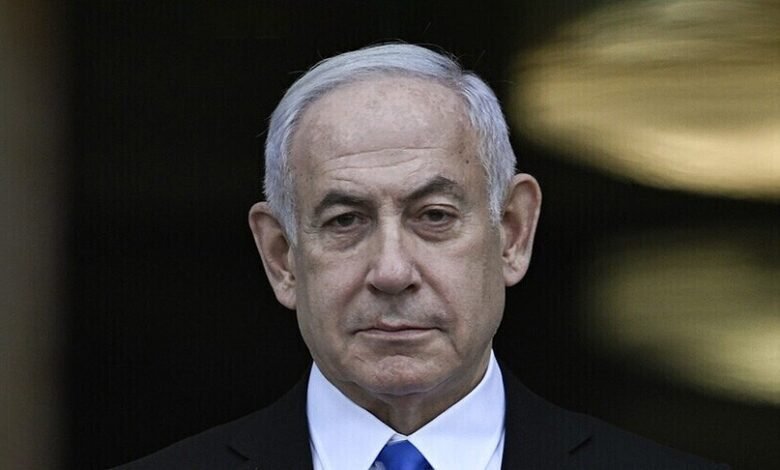
Intense debate has erupted within Israel regarding Prime Minister Benjamin Netanyahu’s efforts to push for a new strike against Iran. Two Israeli analysts have suggested that the Prime Minister is leveraging security concerns to save his political future and remain in power by forcing a national unity government under his leadership.
Amos Harel, a military analyst for Haaretz, wrote on Tuesday that Netanyahu’s main argument for launching an attack, potentially with US participation, centers on Tehran’s alleged chemical weapons program. Harel noted that Mossad Director Romen Guelfan reportedly presented this intelligence to senior officials in President Donald Trump’s administration two weeks ago. However, Israeli security experts have cast doubt on the urgency and actual importance of this new information.
Harel stated that Netanyahu is attempting to exploit these reports in his communications with Trump and the Israeli public to justify an imminent strike. He argues that the situation creates significant concern requiring the immediate formation of a unity government according to Netanyahu’s specific conditions.
Military and Opposition Skepticism
Opposition leaders and security experts challenge the existence of an imminent Iranian threat. The Israeli military, including Chief of Staff General Eyal Zamir, sees no urgent need for a strike. Zamir is among those seeking to prevent a hasty military operation, while Mossad adopts a more hardline stance favoring earlier action.
Eytan Aichner, an analyst for Yedioth Ahronoth, wrote on Tuesday that Netanyahu is pushing for a strike while the army sees no urgent necessity. He added that US officials suspect political motives behind the escalation. Aichner highlighted a heated discussion at the highest political and security levels regarding whether Israel should act now or wait for more favorable conditions.
Experts told Haaretz that developing a chemical weapon delivery system capable of reaching Israel would require at least two years, as it depends on warheads carried by ballistic missiles. They noted that Iran has followed a policy for decades of not producing or deploying chemical weapons.
Political Implications and Coalition Talks
The disagreement occurs amidst reports of a chemical and biological threat from Iran, though current estimates do not view it as an immediate tangible danger. There is a broad recognition in Israel that chances for an agreement with Tehran are diminishing, and a military operation may eventually be necessary to damage Iran’s military capabilities and infrastructure.
Aichner pointed out that Netanyahu faces growing skepticism in Washington. Some US officials fear the urgency stems from Netanyahu’s political difficulties following Israeli elections and his attempts to stay in power. They worry he seeks to launch an attack during a political crisis while parties attempt to form a new government.
From this perspective, striking Iran could change the general political agenda, giving Netanyahu additional justification to call for a unity government under his leadership. However, Aichner noted that the possibility of Netanyahu deciding to act independently without US participation remains viable.
Negotiations between Netanyahu’s Likud party and Gadi Eisenkot’s Yesh Atid party have stalled. Meanwhile, Eisenkot intends to inform President Isaac Herzog next week of his success in forming a government, aiming to present it to the Knesset for a confidence vote. He plans to conclude negotiations with Likud and Ultra-Orthodox parties by the end of the week.