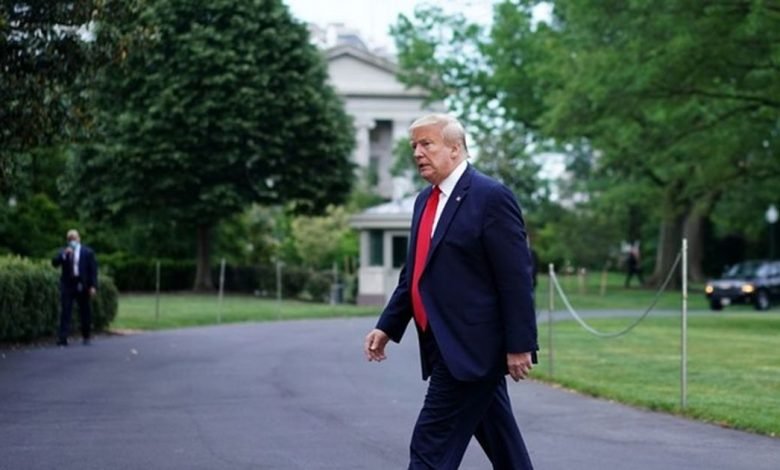
Historic Lows in Presidential Support
A new assessment of public sentiment indicates a significant decline in the standing of US President Donald Trump. According to a poll conducted by Reuters and Ipsos, which concluded on Monday, American support for the president’s performance remains at its lowest level throughout his entire political career. The data shows that only 33 percent of Americans approve of Trump’s handling of the White House duties. This figure represents a stagnation, as it is identical to the results recorded in the previous two consecutive polls carried out by the same agency.
The current approval rating stands in stark contrast to the beginning of his current term, where he enjoyed a 47 percent approval rating. Furthermore, the current figures fall below the lowest point previously recorded by his Democratic predecessor, Joe Biden, who saw his approval drop to 35 percent in October 2024. Since mid-August, Trump’s popularity has remained at levels not seen since the very brief early days of his first presidential term.
Economic Anxiety and War Fatigue
Voters are expressing deep frustration regarding both economic conditions and foreign policy decisions. A significant portion of the electorate is unhappy with how the administration is managing the cost of living. Approximately 71 percent of Americans reported dissatisfaction with Trump’s approach to this issue. Notably, this discontent is not limited to opposition parties; four out of every ten Republicans also expressed dissatisfaction with the economic management.
Inflation continues to be a major source of public anger, creating a scenario similar to the challenges faced by the previous administration. Additionally, fuel prices have surged sharply since February, when Trump ordered the United States to begin bombing Iran. The military engagement has failed to garner strong public backing. The survey found that only 36 percent of Americans support the war against Iran, indicating a broad spectrum of disapproval across the population.
Political Implications for Midterms
These declining numbers arrive at a critical juncture for the Republican Party. The party is currently preparing to defend its narrow majority in Congress during the midterm elections scheduled for November 3. The persistent low approval ratings for the president pose a potential liability for Republican candidates seeking re-election. As the electorate remains dissatisfied with the direction of the economy and the ongoing military conflict, the administration faces increasing pressure to address these concerns before the voting begins.