Origins of the Secret Initiative
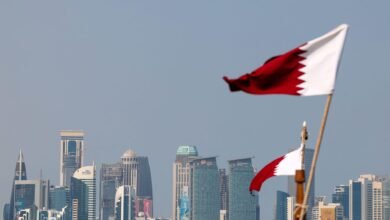
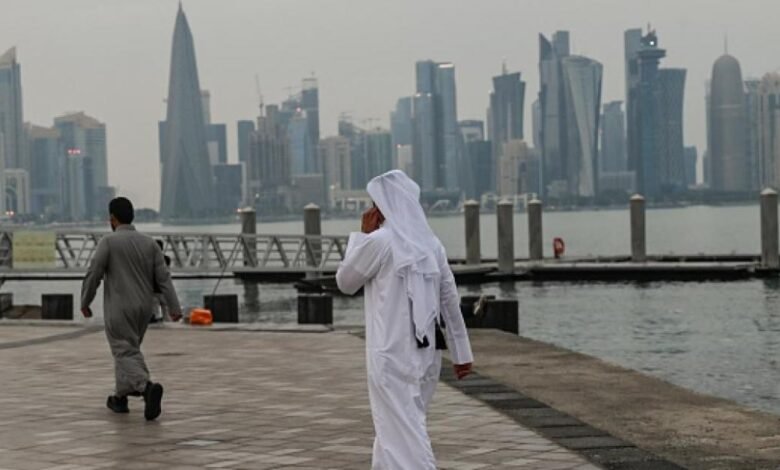
According to detailed reports from Haaretz, an Israeli campaign aimed at targeting Qatar and calling for its boycott was prepared shortly after the onset of the war on Gaza. The initiative sought to pressure Doha into compelling Hamas to release Israeli prisoners. Planning began just six days after the events of October 7, 2023. It was framed as a civil society effort designed to fill what participants perceived as a gap in the actions of Israeli authorities. The goal was to transform pressure on Qatar into a global propaganda campaign accusing the state of funding Hamas.
Organization and Resources
Haaretz described the project as “secret.” A senior political advisor in Israel opened a WhatsApp group that included strategic consultants, experts in campaigns and influence, psychological warfare specialists, advertising sector professionals, and individuals from government institutions. Funds were collected for the initiative, and participants began preparing an international campaign against Qatar. This involved producing propaganda materials, presentations, and creating a website in foreign languages along with social media accounts. The team also hired editors, writers, translators, marketing specialists, and legal consultants.
Strategies and Proposed Actions
The report indicates that those leading the campaign explored methods to influence public opinion and policymakers in the United States and France. They sought to attract journalists from foreign media outlets. One advisor suggested presenting prepared materials to American journalists to produce reports on the campaign against Qatar. Other ideas included conducting a global poll on attitudes toward Hamas and what they termed “Qatari financing,” as well as distributing video clips related to the October 7 events to pro-Israel entities in the US.
Further proposals included filming a participant in front of a hotel owned by a Qatari entity in London, delivering a propaganda message linking the hotel to Qatar and Hamas, in an attempt to expand the boycott and smear campaign. When discussing direct communication with members of the US Congress, one advisor warned about the consequences of the Foreign Agents Registration Act. Instead, they proposed an indirect path by urging a family of American hostages in Gaza to file a class-action lawsuit against Qatar.
Collapse of the Project
Despite these preparations, messages within the group began to recede after approximately two weeks, and activity ceased entirely by December 2023. According to Haaretz, the campaign was not launched as planned. Activity was limited to some materials published on a website that was later removed. Social media accounts failed to gain significant traction; the Facebook account had no followers, the X account posted no content, YouTube videos received limited views, and the Instagram account was deleted. Sources involved stated the initiative stopped suddenly about a month after launch without a clear explanation.
Political Context
The revelation of this campaign gains particular significance given the shift in Qatar’s role during the war. Doha later became a key party in mediation efforts and communications regarding the ceasefire and hostage releases. Consequently, the media and political targeting of Qatar contradicted Israel’s need for its role in the negotiation process.