Transitional Administration Structure Finalized
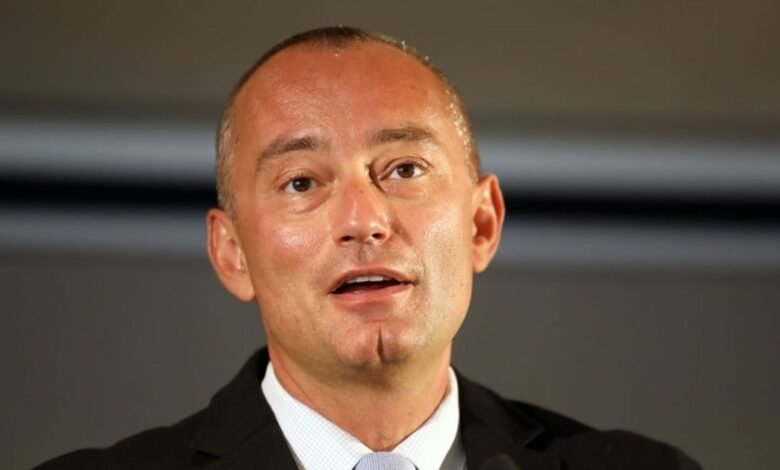
Nikolai Mladinoff, the High Representative of the Peace Council for Gaza, confirmed on Wednesday that coordination arrangements for establishing a committee to administer the Gaza Strip have been completed. Speaking at a press conference in New York, Mladinoff stated that the executive structure of this body is now ready to begin its duties. He emphasized that the administration will operate within a unified framework and will not be bound by pre-set timelines. Instead, the pace of operations will be determined by the nature of the tasks and the volume of work required.
Mladinoff clarified that the committee is not intended to serve as a permanent government but rather as a bridge toward the Palestinian Authority. The ultimate objective is to create conditions allowing Palestinians and Israelis to live side by side in peace, providing both populations with an opportunity for stability without reverting to previous conflicts. He stressed that success depends on strict adherence to the gradual implementation of agreed-upon tasks, ensuring each step is executed correctly before proceeding to the next. The representative called on all parties to fulfill their commitments as agreed upon in Sharm El-Sheikh.
$2.45 Billion Recovery Proposal Detailed
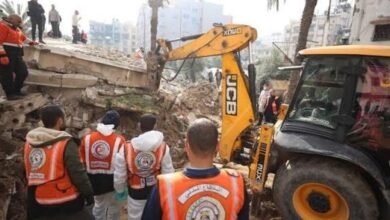
Concurrently, the Peace Council, chaired by US President Donald Trump, is preparing to present a recovery and reconstruction plan for Gaza. According to a copy of the proposal cited by Axios, the initiative spans six months and carries an estimated cost of $2.45 billion. The plan outlines 66 specific projects focused on debris removal, provision of temporary housing, hospital repairs, economic revitalization, and the deployment of a multinational security force.
The proposal estimates physical damages in Gaza at approximately $35.2 billion. It further projects that full recovery and reconstruction will require around $71.4 billion over the next ten years. Key components of the immediate plan include repairing border crossings, rehabilitating electricity and water infrastructure, and deploying 25,000 portable solar energy units. Additionally, the strategy mandates the permanent filling of tunnels located beneath priority reconstruction sites to ensure safety and structural integrity during the rebuilding process.
These developments occur alongside ongoing efforts to establish new administrative and security arrangements in the territory. Mladinoff reiterated that implementing previously agreed obligations remains a fundamental prerequisite for advancing to subsequent phases of the operational process.