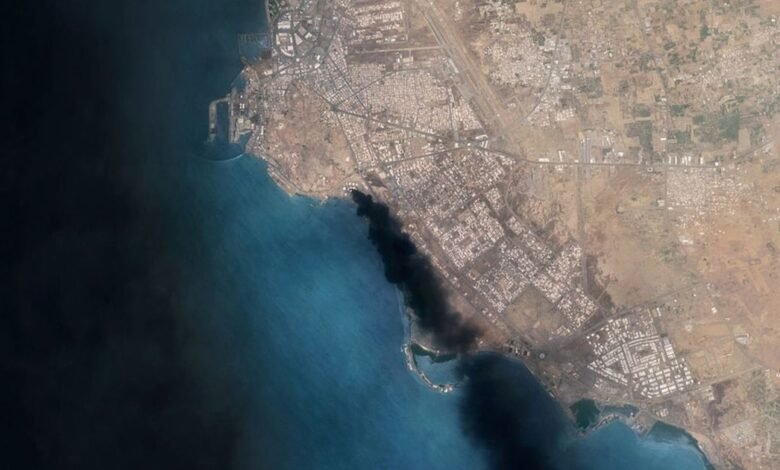
The temporary closure of Saudi Arabia’s primary overland oil transit route, known as the East-West pipeline, has delivered a fresh shock to an already volatile global market. According to OilPrice.com, this disruption compounds supply instability that has plagued the sector for approximately six months. Initial assessments suggested limited damage, but satellite imagery analyzed by Reuters indicates that three pumping stations along the corridor were affected in last week’s Houthi strikes, surpassing earlier reports of only two damaged sites.
Repair operations are projected to take between five and six weeks to complete. The pipeline is a critical infrastructure asset, designed to bypass the Strait of Hormuz. It typically transports between four and five million barrels per day, representing roughly 4-5 percent of global oil supplies. Its total capacity stands at approximately seven million barrels daily, including about two million barrels allocated to refineries. Following the attacks on September 10, which caused severe structural damage and fires around pumping stations, Aramco is attempting to restore half of the line’s capacity within days by circumventing the damaged infrastructure, though full restoration remains a longer-term objective.
The interruption has immediately impacted market dynamics. Brent crude prices surged to approximately $108 per barrel earlier this week as traders reacted to the loss of a major Middle Eastern export route independent of the Strait of Hormuz. Concurrently, inventory levels at the Red Sea hub dropped by roughly six million barrels over the past two months, falling from 21 million in July to under 15 million. Paradoxically, the pipeline outage forces Saudi Arabia to increase reliance on the maritime passage the system was originally built to avoid.
Upstream effects are also evident in consumer markets. Diesel prices in the United States have reached record highs despite the nation being a net exporter of refined products, as shortages elsewhere drive American barrels into the global market and widen refining margins. Gasoline prices have similarly climbed even as seasonal demand typically begins to recede. These energy cost increases contribute to inflationary pressures at a sensitive time; the Federal Reserve recently raised its key interest rate for the first time since 2023 in response to renewed inflation concerns.
The significance of the attack extends beyond immediate capacity losses. With reports confirming damage to three pumping stations, restoring one of the world’s most vital oil market safety valves appears more complex than initially anticipated, highlighting the fragility of current supply chains amid escalating regional tensions.