Clarification on Aptitude Testing and Admission Mechanisms
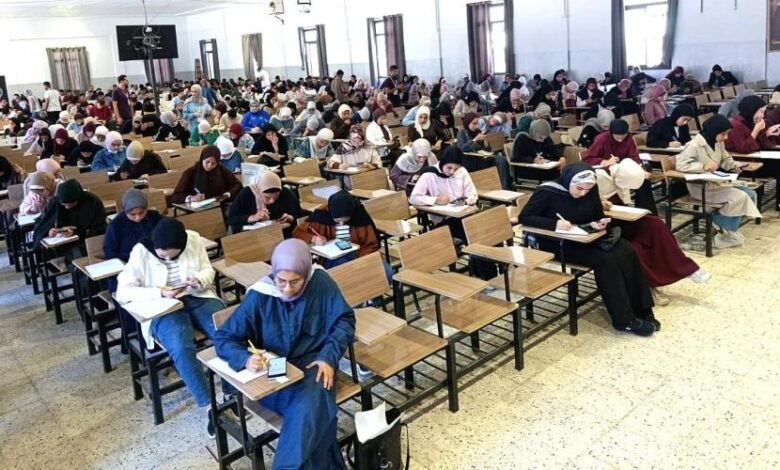
The Ministry of Higher Education and Scientific Research issued a clarifying statement on Sunday regarding the aptitude test for students wishing to enroll in human medicine, dentistry, and pharmacy programs at higher education institutions in the Gaza Strip. The ministry outlined the testing mechanism, admission criteria, and upcoming student batches.
The ministry emphasized that the rejection of some applicants does not reflect an assessment of their capabilities or potential but is rather due to limited available seats compared to the large number of applicants. Approximately 6000 students applied, while the programs can only accommodate specific numbers according to quality requirements. A joint committee comprising representatives from the ministry and four universities was formed to oversee all stages of the process, from preparing and administering the exam to extracting results and ranking students.
Exam Execution and Student Ranking
The first phase of the exam was conducted for approximately 4000 students. An additional session was organized for those unable to participate in the first session due to exceptional circumstances, including power outages, internet disruptions, and difficulties reaching exam halls. This measure aimed to ensure equal opportunities and prevent students from bearing the consequences of conditions beyond their control.
Student ranking followed an approved equation combining high school secondary results and aptitude test scores. The top averages were accepted based on program capacity, resulting in the acceptance of approximately 1500 students in the current phase. These students were distributed across eight programs in the four universities, respecting each program’s defined capacity and the universities’ ability to provide necessary academic, training, clinical, and laboratory requirements to ensure educational quality.
Exceptions and Future Batches
Considering the exceptional humanitarian and educational conditions facing Gaza Strip students, who are often unable to leave the sector to join other universities, the ministry increased acceptance numbers by 20% above the basic capacity of programs. The ministry will monitor the actual number of students enrolling in the programs. If class sizes do not reach the maximum allowed limit, a new batch of students will be accepted today based on available capacity and data received from universities.
Additionally, the ministry confirmed it will consider an extra increase of up to 10% for each program to accommodate more students prevented from leaving Gaza by current circumstances. The organization of the aptitude test and admission mechanism aims to achieve fairness, equal opportunity, and maintain educational quality while adhering to the actual capacity of programs, taking into account the exceptional conditions faced by students in the Gaza Strip.