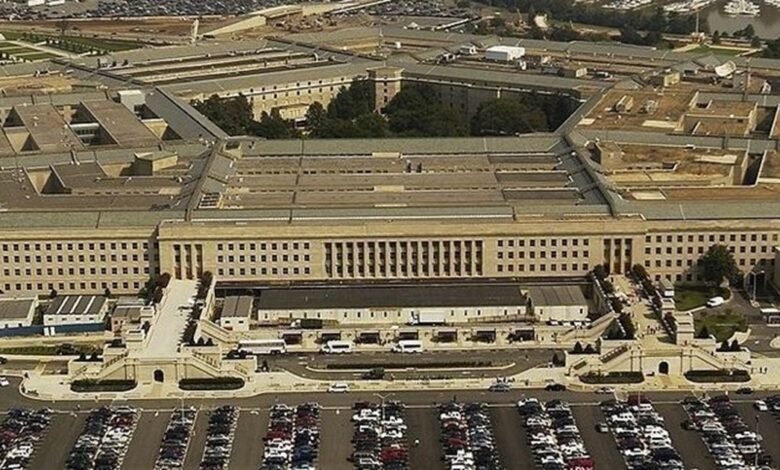
Major Contract Awarded for Interceptor Production
The US Department of Defense announced on Friday that it has signed a contract with defense contractor Raytheon valued at $24.4 billion. The primary objective of this agreement is to accelerate the manufacturing rate of SM-6 interceptor missiles. This move comes in response to significant depletion of ammunition reserves caused by ongoing hostilities with Iran. According to a statement from the Pentagon, these missiles are considered “vital anti-air and anti-surface munitions.” The deal spans five years, with an option to extend for two additional years, designed to speed up production capabilities.
Supply Chain and Funding Challenges
The Pentagon stated that the agreement provides the defense industry with the necessary long-term predictability to expand its workforce and secure vital supply chains. However, Reuters reported that officials indicated Congress has not yet allocated the required funding for these contracts. This lack of appropriated funds means contractors may hesitate to make large-scale investments in components and facilities until legislative actions are taken.
Raytheon’s Response and Strategic Importance
In response to the increased demand, Raytheon revealed that it has heavily invested to keep pace with requirements. The company has expanded its skilled workforce and strengthened partnerships across the defense industrial base to significantly increase production capacity for both short-term and long-term needs. Raytheon described the SM-6 as the only weapon proven capable of performing air warfare missions, striking surface targets, and defending against ballistic missiles. These systems can be launched from Navy ships and land-based launch platforms.
Disputes Over Stockpile Levels
Tensions regarding ammunition levels have surfaced between military reports and political leadership. In a September report, the Pentagon warned that the war with Iran had led to a “critical” shortage of ammunition and bottlenecks in resupply. President Trump rejected these findings, labeling them “fake news,” and claimed overall weapons stockpiles were in “excellent shape” due to six months of prior storage efforts. He acknowledged in an interview that some specific types of ammunition were slightly lower than others.
Broader Implications for Defense Readiness
Separate data highlights the severity of the situation. A Congressional Budget Office report from September 15 noted damage to missile defense supplies that could leave the US with low interceptor stocks for several years. Additionally, The New York Times cited sources stating the Pentagon currently holds fewer than 1,700 Patriot interceptor missiles, having used a large portion of its high-precision long-range arsenal. Earlier reports suggested Trump expected to resume bombing Iran by late November, a move likely to trigger further Iranian military responses and additional consumption of US weaponry.