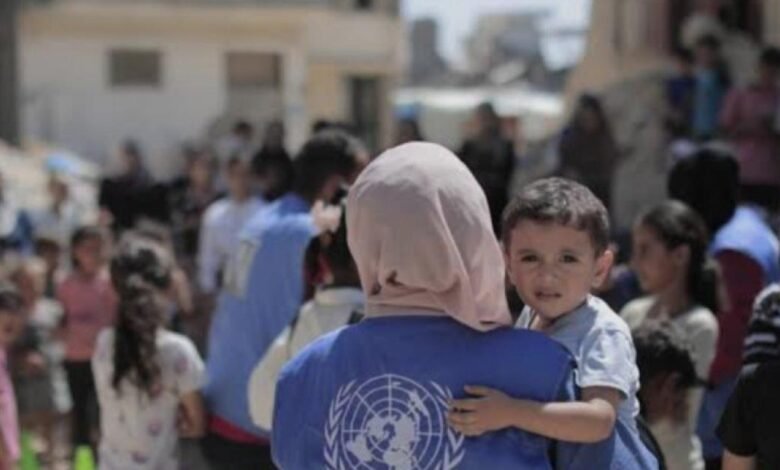
The decision to close the United Nations Relief and Works Agency for Palestine Refugees in the Near East (UNRWA) hospital in the West Bank city of Qalqilia has ignited deep concerns about the potential health, economic, and social repercussions for Palestinian refugees. The facility, established by the agency in 1950, stands as one of the most prominent healthcare institutions serving refugees since 1951. It currently treats patients from various governorates and camps across the region. This move coincides with broader agency measures aimed at reducing staff numbers and laying off thousands of workers, citing financial crises and funding deficits. Critics argue these actions signal a wider effort to diminish the agency’s role and eventually terminate its mandate toward refugees.
Although the closure has not been officially announced, it represents a significant escalation in the crisis affecting the West Bank. Many observers view the shutdown of the Qalqilia hospital as the beginning of a strategy to dismantle other educational and health facilities operated by the agency in the area. Abdul Rahim Jabr, head of the refugee committee in Qalqilia, stated that the threat is not new, noting previous protests and sit-ins against similar attempts in past years. He emphasized that the hospital serves as a cornerstone for healthcare services in the city and its surrounding villages, while also treating refugees from Jenin, Tubas, Nablus, and Hebron camps.
Jabr told Al-Risalah.net that the hospital had already closed its internal medicine and maternity departments approximately a year ago, resulting in the termination of contracts for six doctors and fifteen nurses. Despite an annual budget ranging between three and four million dollars, which is largely funded by donor institutions for medical supplies and equipment, the agency’s primary expenses remain worker salaries. Jabr warned that closing the hospital would deprive thousands of refugees of low-cost medical treatments and surgeries. In private hospitals, some procedures cost between seven and ten thousand shekels, amounts many cannot afford amid deteriorating economic conditions. The popular committee requested clarifications on the hospital’s budget and deficit but received no answers, prompting them to issue a statement demanding accountability and highlighting that continued operation is tied to the agency’s core mandate.
For over ten months, dozens of workers and refugees have maintained an open-ended sit-in inside the hospital grounds to protest service reductions. Currently, the facility only handles emergencies, surgery, and pediatric cases. Yasser Abu Khashk, a activist focused on refugee issues in the West Bank, argued that this closure is part of a broader political strategy to undermine the agency. He pointed to efforts to reduce staff through temporary contracts and cut school classes to eliminate more jobs, noting a previous attempt to convert three thousand employees to contract status was reversed due to pressure. Abu Khashk asserted that financial pressures are driven by international actors, particularly the United States and Israeli lobbies, aiming to weaken the agency’s capacity. He concluded that undermining UNRWA threatens the fundamental rights of refugees to exist and return, especially amidst escalating violence and settlement attacks targeting Palestinian presence and livelihoods.