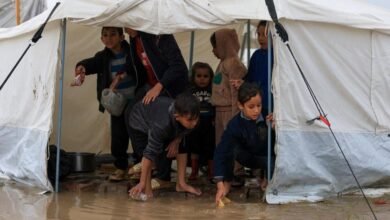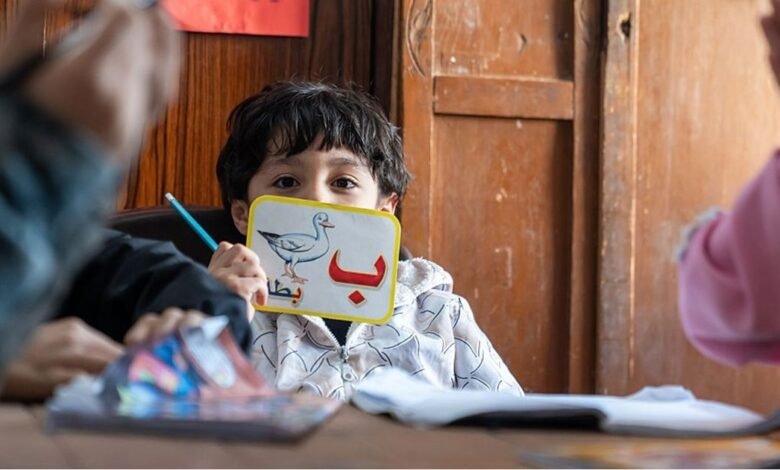
Amidst the severe educational crisis in Gaza caused by widespread destruction of schools, a US charity named “Gaza Children’s Village” is planning to implement an artificial intelligence system to record and analyze classroom conversations. The initiative aims to detect language classified as “anti-Semitic” or “incitement,” raising significant questions regarding student and teacher privacy, censorship boundaries, and curriculum authority.
The Monitoring Mechanism
According to correspondence detailing the project, the system will analyze audio recordings within classrooms. When problematic language is identified, the institution’s founder receives an alert to contact the teacher for context and feedback. Recordings are retained for 72 hours. The technology was reportedly tested previously, with plans to deploy it in dozens of classrooms before August.
Dr. David Hassan, the founder and CEO of the charity, stated that the system was developed in collaboration with Poly Labs, a New York-based non-profit. However, Poly Labs denied any involvement in developing or deploying this specific technology. Hassan justified the monitoring as a necessary measure to help teachers adhere to a curriculum designed to “de-radicalize” students, describing it as the only way to ensure survival and deliver the program.
Background and Curriculum Controversies
Hassan, a neurosurgeon born in Kuwait to Palestinian parents and a professor at Duke University, founded the charity after volunteering in Gaza hospitals during the war. He expressed a desire to end cycles of violence between Palestinians and Israelis, noting his own childhood prejudices were overcome through higher education in the US. The charity relies primarily on individual donations, including from American Jews, and claims its curricula are based on Palestinian Authority standards but edited to remove language glorifying violence or incitement against Israel.
This editing process aligns with criticisms raised by the Israeli government regarding “problematic content” in textbooks, such as references to Jerusalem as Palestine’s capital or using casualty figures for math lessons. A 2026 report by the US Government Accountability Office highlighted these issues.
Internal and External Opposition
The plan has faced backlash from Palestinian rights organizations and internal stakeholders. Critics argue the program lacks accountability to local bodies or UN agencies that historically managed Gaza schools. Some employees expressed discomfort working with an organization cooperating with Israeli relief groups. Bishara Bahaee, a member of the charity’s board, opposed the surveillance, stating that while cameras for performance monitoring might be acceptable, they should not silence free exchange in classrooms. He noted the board was unaware of the plan.
A partner in a relief group warned that using AI to monitor speech opens a “Pandora’s box” of uncontrollable consequences, potentially leading to a reevaluation of their cooperation. With hundreds of thousands of children out of school due to war damage, the priority for many remains expanding access to education rather than implementing complex surveillance systems.