Strategic Shift in Infrastructure Planning
The United Arab Emirates has initiated a comprehensive review of its plans for a five-gigawatt artificial intelligence data center, one of the largest projects of its kind outside the United States. According to four sources speaking to Reuters, the original vision for a single, sprawling complex covering ten square miles in Abu Dhabi is being replaced by a strategy centered on a distributed network of data centers spread across the country. This significant pivot comes as authorities reassess how and where critical infrastructure should be constructed in response to heightened security threats.
Officials are actively exploring methods to fortify these facilities against potential drone and missile strikes. Proposed enhancements include the deployment of advanced air defense systems and the construction of certain underground facilities to ensure operational continuity during conflicts. These modifications have not been previously disclosed, marking a substantial change in the project’s architectural and security blueprint.
Geopolitical Context and Security Concerns
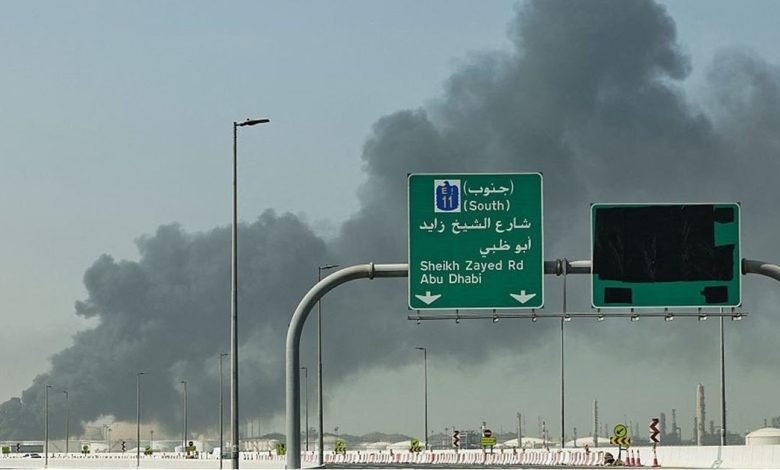
The revision follows a series of attacks launched by Iran against Gulf states hosting American forces, which were retaliatory measures for US and Israeli airstrikes on Iran. In March, missiles and drones struck two Amazon Web Services data centers in the UAE and another in Bahrain, causing ongoing disruptions to cloud services in the region. In April, the Iranian Armed Forces released a video warning that the UAE’s StarGate project could also be a target, displaying a map that allegedly identified the site near Al Dhafra Air Base, a location known to host US troops and previously targeted during the conflict.
Project Origins and Economic Implications
The initiative, announced during President Donald Trump’s visit last year, serves as a cornerstone of the UAE’s ambition to become a global AI hub while diversifying its economy away from oil. Led by G42, an AI company controlled by Sheikh Tahnoon bin Zayed Al Nahyan, the project involves partnerships with major US technology firms. In exchange for access to NVIDIA chips and other advanced technologies, the UAE agreed to scale back AI relations with China and invest in US-based data centers under the StarGate initiative, a joint venture between OpenAI, Oracle, and SoftBank.
Construction on the first phase, a one-gigawatt computing complex costing $30 billion, began last year. The initial 200 megawatts of operational capacity are scheduled to come online this year. Despite the strategic shift, executives expect the first phase to proceed according to the original timeline, albeit with added protective measures against aerial attacks. Daniel Byman, a former US official and fellow at the Middle East Institute, described the conflict as an economic earthquake for the Gulf, noting that enhancing critical infrastructure protection is vital for reassuring international partners and investors.