Strategic Shift in West Bank Control
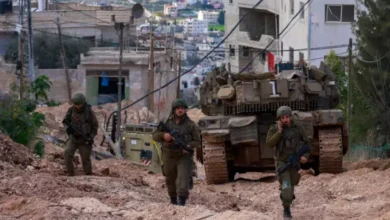
The Palestinian Center for Policy and Survey Research has issued a stark warning regarding the continuity of Israeli military operations in the city of Hebron. In an assessment titled “From Camps to the City: The Iron Wall Model Transfers to Urban Neighborhoods in the West Bank,” released on Thursday, October 29, 2026, the center argues that these actions represent a fundamental transformation in how the occupation manages the West Bank. The strategy is moving away from targeting refugee camps toward reshaping urban districts within cities through forced evacuations, demolitions, and the seizure of buildings to convert them into military positions.
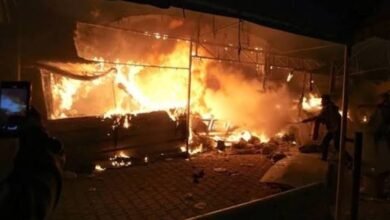
The assessment suggests that the persistence of the operation following the Israeli elections, coupled with rising numbers of displaced persons, reinforces the hypothesis of a structural change in management rather than a temporary electoral escalation. This approach combines actual measures already implemented—such as encircling the city, clearing residential areas, destroying infrastructure, and seizing properties—with an announced plan to apply camp-like models to neighborhoods linked to operational perpetrators. Preparations are also underway for a broader military campaign across the West Bank.
Humanitarian Impact and Demographic Concerns
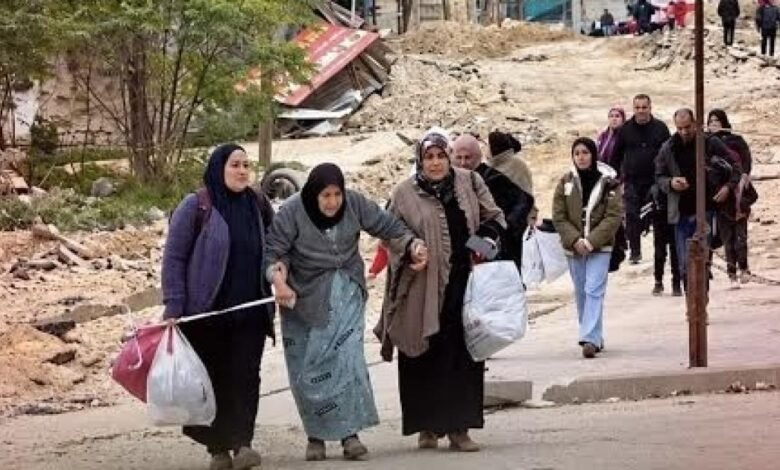
Data from the Hebron Municipality as of October 27 indicates that approximately 4,969 individuals from 780 families have been displaced from targeted neighborhoods. Among those affected are more than 200 infants and 32 people with disabilities. The center highlights that linking the return of residents to achieving what Israel terms “security objectives,” without a defined timeline, raises serious concerns about temporary evacuation evolving into long-term expulsion. This fear is exacerbated by the seizure of residential buildings and indicators pointing towards settlement expansion.
The report draws parallels between current events in Hebron and operations in Jenin, Tulkarm, and Nour Shams camps since January 2025, which involved similar patterns of displacement and destruction. However, it notes that applying this model in dense urban environments faces greater constraints due to complex property ownership, economic interdependence, and existing settlement presence.
Security, Settlement Motives, and Legal Implications
Four main factors drive the escalation: security deterrence aimed at disrupting social environments around perpetrators, and demographic-settlement motives evidenced by building seizures and restrictions on Palestinian planning rights. There is noted divergence within the Israeli leadership, with military reservations about prolonged field presence contrasting with Prime Minister Benjamin Netanyahu and Defense Minister Israel Katz’s insistence on maintaining control. The center predicts selective application of this model to specific neighborhoods and routes near settlements, creating new footholds for security and settlement control.
Legally, the forced evacuations and widespread property destruction raise questions regarding compliance with the Fourth Geneva Convention, specifically Articles 33, 49, and 53, which prohibit collective punishments, forced transfers, and destruction of property unless strictly justified by international law. The center outlines three scenarios until the end of the first quarter of 2027: gradual permanent occupation of targeted areas (deemed most likely), containment with conditional withdrawal, or expansion into a wider military campaign across the West Bank.