Parliamentary Deputy Outlines Strategy for Economic Counter-Blockade
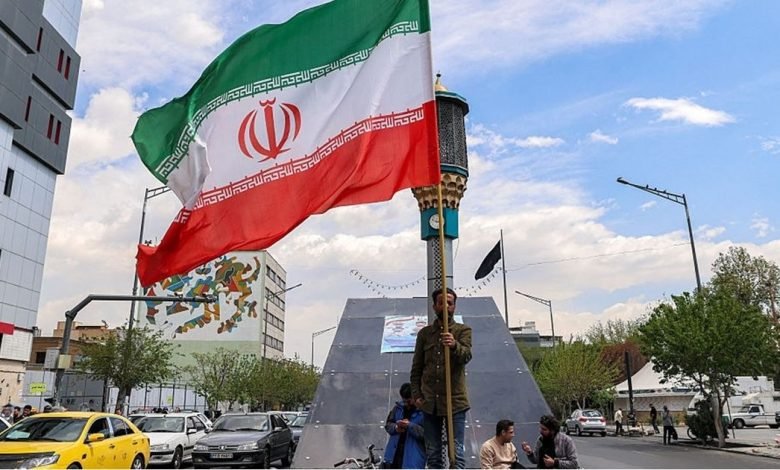
Hamid Reza Hajibaba, a deputy in the Iranian parliament, issued a stark warning on Monday regarding the ongoing geopolitical tensions between Tehran and Washington. He declared that Iran intends to launch attacks against all countries in the Middle East that continue to export oil. This threat is framed as a strategic move to impose an economic blockade on the United States, aiming to dismantle the sanctions regime currently enforced by Washington.
Hajibaba argued that breaking the US-imposed restrictions on Iran cannot be achieved through military action alone. Instead, he emphasized the necessity of imposing a counter-blockade and increasing economic pressure on the US within the region. The deputy explicitly linked the continuation of oil exports by regional states to their alignment with American interests. According to his statement, these nations are effectively choosing the side of the United States and joining its camp economically.
Consequently, Hajibaba insisted that these exporting countries must be targeted using any available method. He specified three distinct avenues for retaliation: economic measures, military strikes, and cyber operations. This multi-faceted approach underscores Tehran’s intent to leverage various forms of asymmetric warfare to disrupt the energy flows that sustain the economic stability of its adversaries.
Escalation Amidst Renewed Military Tensions
The political rhetoric comes against a backdrop of heightened military activity since mid-July. The United States has reinstated a naval blockade around Iranian ports. Reports from CNN indicate that the US military has successfully secured navigation routes, which has contributed to the recovery of shipping activities and stabilized prices. Bloomberg data suggests that oil flows through vital waterways have returned to approximately two-thirds of pre-conflict levels. Analysts note that if this trend continues, Iran’s ability to use the Strait of Hormuz as a leverage card will diminish, eroding a key component of its regional influence.
Tensions further escalated following Iranian missile launches against two US airbases in Jordan. In response, President Donald Trump threatened a powerful strike. A senior Iranian source described the recent combat operations as a “limited confrontation” but warned that Tehran would respond with force if attacked again. This marks the first direct military clash between the two nations since late July.
Economic Pressures and Domestic Concerns
The situation presents significant challenges for both sides. The White House is closely monitoring oil prices due to fears that rising costs could exacerbate inflation and impact the economy ahead of the midterm elections in November. Meanwhile, Iran faces intensifying economic pressure from US measures. Although President Trump has not yet imposed new severe sanctions, reports suggest that such actions could accelerate the deepening of the economic crisis within Iran.