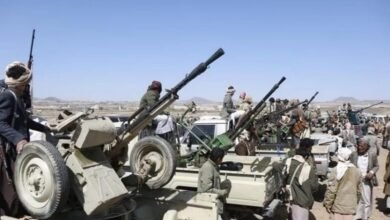
The Egyptian parliament approved a presidential request on Monday to implement defensive measures aimed at supporting the Kingdom of Saudi Arabia. The decision follows an appeal by President Abdel Fattah al-Sisi, submitted last week, seeking legislative backing for potential military assistance should Riyadh request it.
Constitutional Procedure and Voting
The session was chaired by Speaker Hesham Badawi in the new administrative capital. According to local media reports, the vote was conducted by name call, adhering to constitutional requirements that mandate a two-thirds majority of members for authorizing the deployment of armed forces on combat missions outside national borders.
This procedural step aligns with Article 152 of the Egyptian Constitution, which designates the president as the Supreme Commander of the Armed Forces. The article stipulates that declaring war or sending troops abroad requires consulting the National Defense Council and securing parliamentary approval by a two-thirds majority.
Regional Security Context
The legislative move comes amid escalating tensions in the region, particularly regarding security threats facing Saudi Arabia. President Sisi’s initial request highlighted the frequency of attacks attributed to the Houthis, also known as Ansar Allah, against Saudi territory. These hostilities have raised concerns about the stability of strategic waterways, specifically the Bab al-Mandab Strait.
The strait serves as a critical maritime gateway connecting to the Suez Canal, a vital artery for Egypt. The parliament held two sessions over the weekend, on Sunday and Monday, to discuss the matter. During these meetings, representatives from various parliamentary bodies and numerous deputies from different political factions presented their views on the proposed defense measures.
The approval underscores Cairo’s commitment to regional security dynamics and its diplomatic alignment with Riyadh. By formally endorsing the president’s authority to act in defense of Saudi interests, the Egyptian legislature has provided the legal framework necessary for any future military cooperation between the two nations. This development reflects the broader geopolitical efforts to stabilize the Gulf region amidst ongoing conflicts involving Yemeni factions and their impact on international shipping routes.