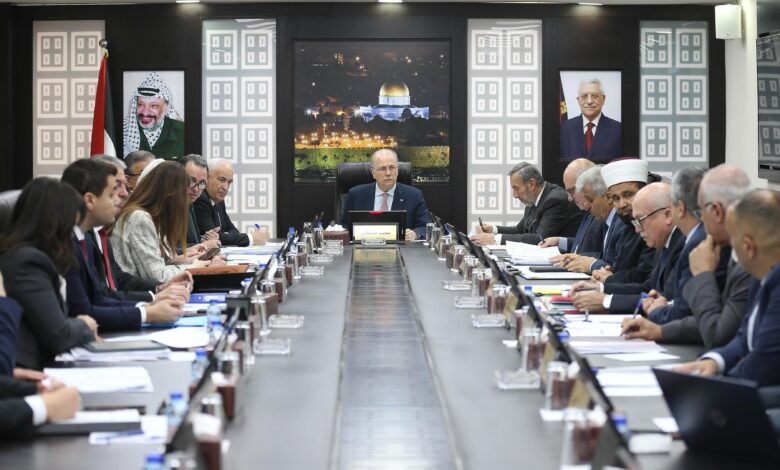
The Palestinian Cabinet has officially approved an emergency support package valued at 1.5 million shekels allocated to the Hebron Municipality. This financial assistance is being distributed through the Emergency Committee and the Governor, with funds designated for various interventions aimed at strengthening citizen resilience and addressing urgent needs resulting from military aggression.
During its weekly session held on Tuesday, the Cabinet issued specific directives regarding the welfare of displaced families. Officials were instructed to ensure that these families are covered by health insurance until the end of the year, with coverage levels adjusted according to ongoing requirements. Furthermore, the government mandated relevant authorities to facilitate and expedite the processing of building permits in areas within the governorate that have been specifically targeted.
In parallel with immediate relief measures, the Cabinet highlighted recent approvals for infrastructure development in the city. These initiatives were authorized by the Ministry of Local Government and funded through the Municipal Fund with a value of 4 million euros. Additionally, 2 million dollars have been allocated for employment purposes and job creation via the Hebron Municipality.
The government also referenced previous appropriations distributed among various municipalities based on population density for each local council. These allocations are tied to classifications regarding governance procedures and public financial management standards.
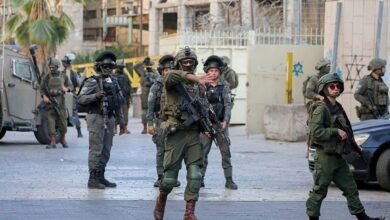
Cabinet members commended the steadfastness of the Palestinian people, emphasizing the spirit of social solidarity observed in Hebron, Gaza, and refugee camps in northern parts of the West Bank. This unity is described as a response to occupation mechanisms and resettlement plans executed through explicit coordination between the Israeli army and settler militias.
According to the statement, these forces carried out 746 attacks against Palestinians and their property within a single week. The report specifically cited assaults on olive harvesters as part of this wave of violence.