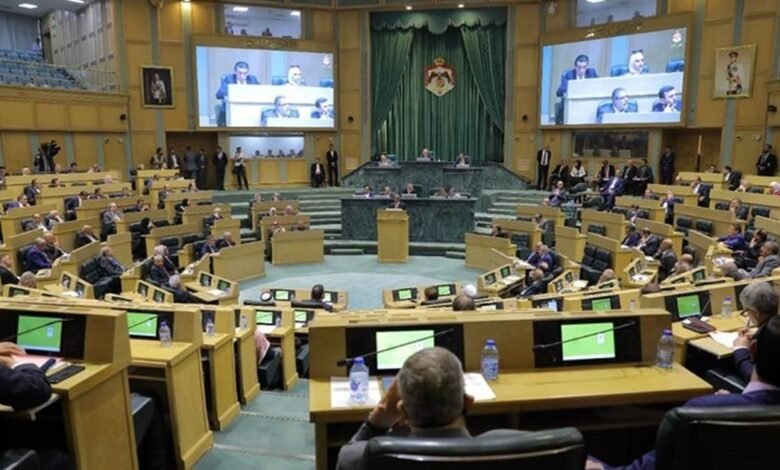
Abdul Karim Al-Daghma, former speaker of the Jordanian parliament, has reignited the debate over electoral reform by calling for a return to the “single-vote” system. This marks a significant reversal from his previous stance, as he had previously advocated for the abolition of this method in favor of party-based elections. His comments come amid ongoing discussions about political modernization and concerns that changes to the electoral law could affect the representation of Islamist factions in parliament.
In an article published by Ammon News on October 15 titled “Parties Arrived… Party Life Absent,” Al-Daghma explained that while he once supported party elections to move beyond individualistic politics, he now believes interventions have hindered the realization of these goals. He stated, “I retract my previous thinking and call for changing the election law, returning it to the single-vote format.” He criticized continued interference in public institutions and accused influential figures of impacting appointments and parliamentary life.
This position contrasts sharply with his 2012 interview with Al-Arab Al-Yawm newspaper, where he declared the single-vote system should be “buried in history.” At that time, he argued that individual systems and artificial districts divided society and weakened political alliances. The current law allows voters two votes: one for a local district and another for a general party list. In the September 2024 elections, 41 seats were allocated to parties, representing approximately 30 percent of the 138-seat lower house.
The Islamic Action Front, renamed the Umma Party in April 2026, secured 31 seats, including 17 from the general party list and 14 from local districts, making it the leading opposition force. Political analysts suggest that modifying the system might limit gains made by Islamists, though no official government decision targets specific groups. Al-Daghma’s proposal differs from journalist Fahd Al-Kaitan’s recent argument that existing parties need internal dialogue to address their limited impact outside parliament.
Meanwhile, Musa Al-Maaytah, head of the Independent Elections Commission, emphasized the necessity of continuing political modernization. In February statements, he acknowledged errors in early democratic practices but insisted they should lead to development rather than skepticism toward party politics. He stressed the need for parties to transition from formal structures to institutional, programmatic work. Although the government approved reasons for amending the Independent Elections Commission Law in August 2026 and introduced new local administration laws, no official project has been announced to revert to the single-vote system for parliamentary elections.