Massive Infrastructure Damage and Economic Projections
Allianz Trade, a financial risk assessment firm, published a report on Wednesday estimating that physical damages across Arab Gulf states resulting from the ongoing war in the Middle East exceed $200 billion. The majority of these losses are concentrated in economies heavily reliant on the Strait of Hormuz, particularly within the energy infrastructure sector. The insurer further predicted that the region will incur cumulative economic losses totaling $790 billion by 2030.
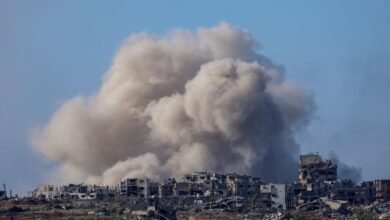
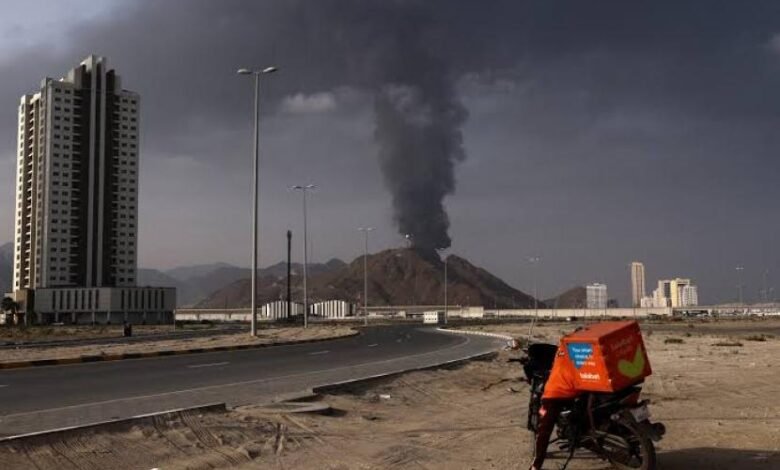
The conflict has subjected Gulf nations to strikes from Iran in retaliation for the US-Israeli attack on the Islamic Republic, which began on February 28. These attacks targeted oil infrastructure, energy facilities, airports, ports, and military bases housing US forces. According to the Allianz Trade report titled “The Deep Impact of War on the Gulf,” more than 80 energy facilities were damaged during the hostilities, primarily located in Kuwait, Qatar, and Bahrain. One-third of these facilities sustained “severe damage.”
GDP Contraction and Sectoral Impacts
The report forecasts a contraction in the Gross Domestic Product (GDP) of Gulf Cooperation Council (GCC) countries by 4 percent in 2026, representing an 8.2 percent decline compared to pre-war projections. Beyond the energy sector, the war has negatively impacted tourism and real estate. In Dubai, residential property prices fell by 10.2 percent by September compared to their peak earlier in the year. The cumulative gap between expected and actual output is estimated at 5.9 percent of GDP relative to pre-war growth rates through 2030.
Economic vulnerability varies significantly among member states. Bahrain, Qatar, and Kuwait are expected to experience the sharpest GDP contractions in 2026, driven by their dependence on the Strait of Hormuz for energy exports. Qatar is projected to see a -14 percent decline, Kuwait -11 percent, and Bahrain -8 percent. Saudi Arabia and the United Arab Emirates face less severe but still notable contractions of -2.8 percent and -0.9 percent, respectively, due to alternative export routes such as pipelines bypassing the strait. Oman is the only nation projected to achieve 3.3 percent growth, benefiting from ports and trade routes independent of the Hormuz chokepoint.
Strategic Shifts and Investment Opportunities
To mitigate losses, the report anticipates that Gulf states will redirect sovereign wealth fund capital toward domestic projects. Governments are shifting priorities from large-scale developments to initiatives enhancing resilience and security. Consequently, infrastructure and defense spending in the region is expected to reach approximately $400 billion by 2030, creating investment opportunities worth roughly $160 billion for private and foreign investors. This shift marks a departure from years of branding the Gulf as a safe haven for investment, as the war has shaken confidence and accelerated strategies to diversify income sources away from oil revenues.