Securing the Hawishyan Heights
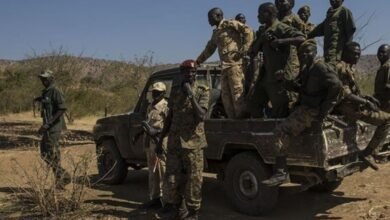
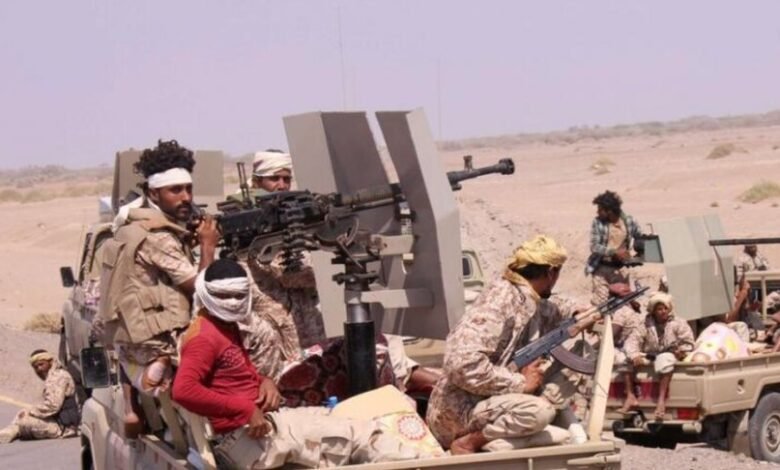
A field commander in the Yemeni army announced on Saturday the completion of control over a strategic chain of mountains in Al-Jawf province, located in the northern part of the country. The announcement followed intense clashes with the Houthi movement. Colonel Rabie Al-Qurashi, the field commander for the army in Al-Jawf, provided these details to Anadolu Agency.
Al-Qurashi stated that army forces successfully consolidated their hold on the Hawishyan mountain range situated to the east of Al-Hazm, which serves as the capital of Al-Jawf province. He emphasized that this territorial gain was achieved after fierce battles fought by the army troops against Houthi forces. The military advance was supported by air strikes from the warplane fleet, which destroyed dozens of vehicles belonging to the Houthis. According to the commander, the military operation remains ongoing.
Tactical Significance and Local Reports
The colonel highlighted the strategic value of these mountains, noting they constitute the first line of defense for Al-Hazm city, the provincial center currently under Houthi control. Local Yemeni media reported that these highlands are crucial because securing them allows the army to cut off supply lines for the Houthis within the province. Furthermore, the terrain provides oversight over important Houthi positions near Al-Hazm.
On Friday, government forces engaged in confrontations with the Houthis in Al-Jawf, managing to extend their influence over parts of these mountains before completing full control today, according to an Anadolu correspondent.
Geopolitical Context and Ongoing Conflict
Al-Jawf is considered one of Yemen’s most significant provinces due to its land border with Saudi Arabia. Its proximity to Houthi-controlled provinces such as Saada, Amran, and Sanaa contrasts with its adjacency to oil-rich provinces of Hadramawt and Marib, which fall under government authority. The province exhibits a divided military map, with Houthis holding Al-Hazm and other areas, while government forces exert influence elsewhere amidst continuous competition for strategic sites.
Since October 5, 2026, the “Dawn of Yemen” military operation has continued. Rashad Al-Alimi, chairman of the Presidential Leadership Council, stated that the initiative aims to restore state institutions from the Houthis and regain control of the capital, Sanaa. Escalation renewed in July last year, resulting in thousands of casualties and displacing over a quarter of a million people, according to UN reports. This surge broke the relative calm seen since April 2022, worsening the humanitarian crisis. The conflict in Yemen began when the Houthis seized Sanaa and several provinces in September 2014, leading to the intervention of an Arab coalition led by Saudi Arabia in March 2015 in support of the internationally recognized government.