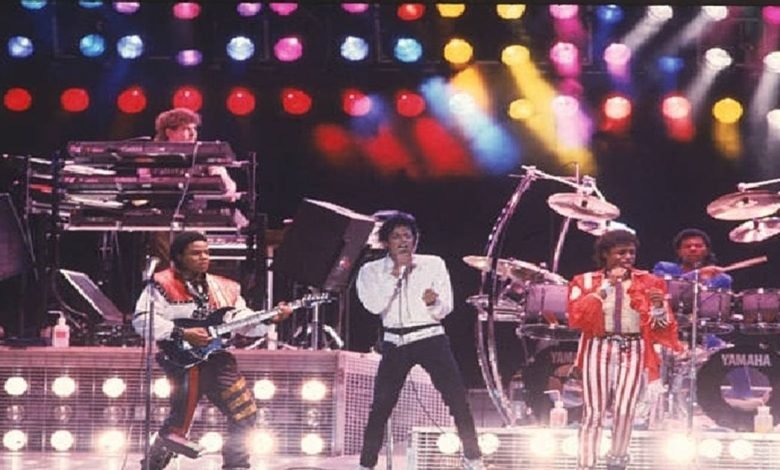
Public reactions to celebrity events have evolved significantly over recent decades. While memories of Ammar Allouche’s first concert in Tunisia during the late 1960s evoke admiration for the promotional atmosphere, and Michael Jackson’s mid-1990s performance drew massive crowds without extreme behavioral outbursts, contemporary scenes differ sharply. Today, festivals frequently witness screaming, fainting, and stampedes. Similar phenomena occur at airports, such as when Syrian artist Sabah waited until dawn for a celebrity arrival, sparking controversial public behavior. Although not exclusive to Tunisia, these trends necessitate an examination of how fan relationships shift from simple appreciation to deep emotional attachment and identification.
The Shift from Traditional Mediation to Algorithms
Habib Ben Belgacem, a communication researcher and professor at the Institute of Journalism and News Sciences, attributes this transformation to structural changes in communication caused by digital platforms. Historically, artists reached audiences through traditional mediators like cinema, television, and live concerts, maintaining a symbolic distance that reinforced stardom. This distance was essentially consumer-based, where the audience engaged with the artistic product rather than the person. Digital platforms have eliminated these intermediaries, creating an illusion of “direct contact.” Through live streams, stories, and daily photos, artists share intimate life details. However, what appears spontaneous is often calculated, subject to economic constraints and algorithmic rules.
Algorithms no longer direct audiences solely toward artistic works but toward the image and persona itself. Frequent exposure to an artist’s face and life details strengthens “parasocial interaction,” fostering a false sense of a two-way relationship. While this phenomenon existed with classic cinema stars, algorithms intensify and personalize it, making it accessible to fans constantly.
The Economy of Attention and Commodification
Shahira Ben Abdallah, another communication researcher and professor, notes that digital platforms allow artists to market themselves independently of traditional production companies. By interacting directly with followers and sharing daily details, artists build loyal networks. However, this operates within the “economy of attention.” Artists must present their personal lives as commodities to maintain visibility and continuity. As French sociologist Edgar Morin stated, a star’s life is a product in itself. Digital platforms make this product more consumable.
Ben Belgacem argues that the artist has become a commodity instead of just their work. The digital audience pays with data, attention, and time to feel close to the personality. Value is no longer measured solely by artistic output but by the ability to fill followers’ daily voids. Every post or video becomes part of the product. Stardom has shifted from a state proven by talent to a continuous process of self-production. The artist remains present in digital space, managing their image rather than disappearing after a performance.
Fan Identity and Conflict
This closeness complicates the receiver’s role. When an artist becomes part of a fan’s identity, the fan’s success or failure feels personal. Competition has moved to digital platforms, where disagreements can escalate into fierce defense campaigns or mutual insults. Criticism of the art is perceived as a personal attack, transforming the relationship from “I love this artist” to “I belong to him.” These conflicts resemble clashes between groups with distinct identities. Ultimately, proximity to the artist becomes a consumable value, integrating ticket purchases, digital content engagement, and the desire for reciprocal interaction into a comprehensive economic and media system.