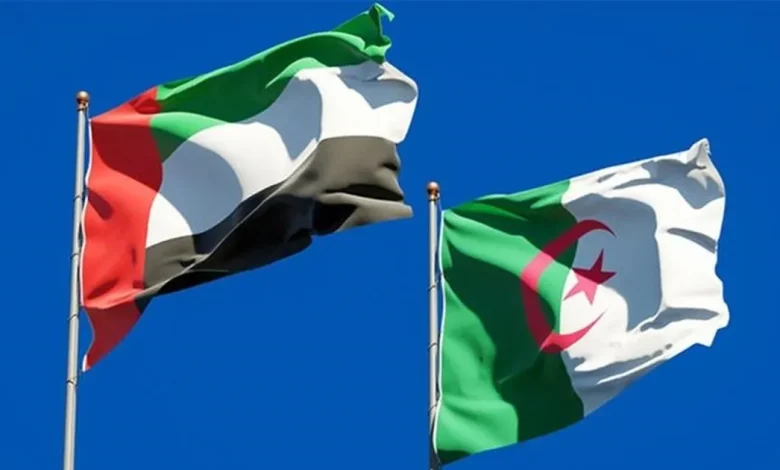
Algeria has formally cut diplomatic ties with the United Arab Emirates, a move that caps decades of accumulating tensions. The Algerian Ministry of Foreign Affairs stated that the decision followed what it described as “provocative and hostile acts” and an “unfortunate and unjustified behavior” by Abu Dhabi. Algiers emphasized that it had exhausted all avenues to preserve bilateral relations before resorting to this final step.
From Early Brotherhood to Strategic Divergence
The relationship began on strong footing. Upon the UAE’s establishment in 1971, Algeria was among the first nations to recognize the new state. Formal diplomatic relations were established in 1976, elevated to ambassadorial level in 1980, and reinforced by a joint committee in 1984. During the era of Sheikh Zayed bin Sultan Al Nahyan, analysts described the bond as exceptional and fraternal, characterized by mutual support and alignment on regional issues, particularly the Palestinian cause. Sheikh Zayed frequently attended summits in Algeria to demonstrate solidarity with Arab unity efforts.
Economic cooperation deepened significantly over the years. In 2009, DP World secured a concession to operate the Port of Algiers. Joint ventures flourished in various industrial sectors, most notably through the United Tobacco Company, which dominated the market for years. These economic links were managed through regular sessions of the joint committee aimed at facilitating trade and resolving customs barriers.
Rising Fault Lines: Regional Policies and Normalization
Divergences emerged sharply following the Arab Spring uprisings in 2011. While Algeria maintained a traditional policy of non-military intervention in regional crises, the UAE adopted a more active foreign policy approach in Libya, the Sahel, and Yemen. This ideological split widened into broader geopolitical competition.
A major turning point occurred in 2020 when the UAE signed the Abraham Accords normalizing relations with Israel. Algeria, which firmly opposes normalization and ties its stance to the Palestinian issue, viewed this as a direct affront. Simultaneously, the UAE increased its support for Morocco’s sovereignty claims over Western Sahara, a position directly opposed by Algeria, which backs the Polisario Front and the right to self-determination. This dispute intensified after Algeria severed ties with Morocco in August 2021.
Escalation and Final Break
Tensions escalated further over conflicts in Libya and Sudan. In January 2024, Algeria’s Supreme Security Council expressed regret over “hostile behaviors” from a “brotherly Arab country.” President Abdelmadjid Tebboune later accused UAE funds of fueling instability in Mali, Libya, and Sudan, contrasting Algeria’s support for state integrity with what he termed UAE backing of rebellions, such as General Khalifa Haftar in Libya and Rapid Support Forces commander Mohamed Hamdan Dagalo in Sudan.
In February 2026, Tebboune implicitly accused the UAE of interfering in Algeria’s internal affairs and presidential elections, referring to it as a “micro-state.” Shortly after, Algeria initiated the cancellation of a 2013 air transport agreement with the UAE, signaling that political rhetoric had translated into concrete administrative measures. Amidst ongoing competition for influence in the Sahel region, where Algeria seeks to restore its southern footprint against growing Moroccan-UAE partnerships, the diplomatic channel finally collapsed, leading to the current severance of relations.