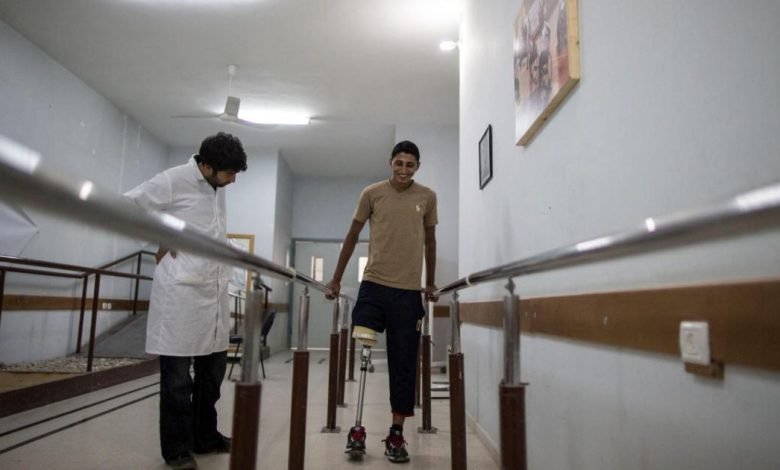
From Support Service to Critical Lifeline
The Ministry of Health in the Gaza Strip announced on Tuesday that physiotherapy and medical rehabilitation services have undergone a fundamental transformation due to the ongoing conflict. What were once considered supportive health measures have now become a primary defense line against permanent disabilities for thousands of injured civilians. The ministry issued this statement on the occasion of World Physiotherapy Day, highlighting the unprecedented humanitarian and health catastrophe caused by the war.
Scale of Injury and Rehabilitation Needs
According to the ministry, the volume of complex injuries has surged dramatically. Approximately 5,000 cases of amputation have been recorded, while nearly 300 patients suffer from nerve and spinal cord injuries. Consequently, around 10,000 injured individuals require intensive, long-term rehabilitation programs. The ministry noted that direct attacks on healthcare institutions have forced most specialized rehabilitation centers out of operation, leaving thousands of patients and wounded individuals at risk of severe health complications.
Shortages and Travel Restrictions
A sharp shortage of medical supplies, prosthetic devices, and artificial limbs exacerbates the crisis. The ministry emphasized that restrictions on movement prevent critical cases from accessing advanced rehabilitation services outside the strip. This is particularly devastating for patients requiring artificial limb implants and therapeutic technologies that are currently unavailable within Gaza. The inability to travel for treatment significantly hinders recovery efforts for those with the most severe injuries.
Call for International Intervention
The ministry urged international organizations and UN bodies to intervene immediately. It called for the urgent coordination to import necessary medical supplies, prosthetics, and assistive devices required for rehabilitation operations. Furthermore, it demanded the opening of border crossings and the facilitation of travel for critical cases needing specialized centers abroad. This access is essential for completing rehabilitation programs and obtaining advanced artificial limb implantation services.
Health Workers Amid Rubble
In its statement, the ministry paid tribute to physiotherapy and rehabilitation staff who continue their duties despite facing shelling, martyrdom, detention, and displacement. These professionals have demonstrated resilience by creating makeshift tools and alternative solutions from rubble and tents to help wounded individuals regain mobility and independence. The ministry described this persistence as embodying the core of humanitarian duty and national responsibility, stressing that providing support, protection, and operational resources for these cadres is an urgent ethical imperative that cannot be delayed.