Azerbaijani authorities have officially added 31 Turkish citizens to their list of undesirable persons, effectively banning them from entering the country. The decision, announced by Baku, explicitly states that the move is designed to protect the nation’s sovereignty, national security, and constitutional order.
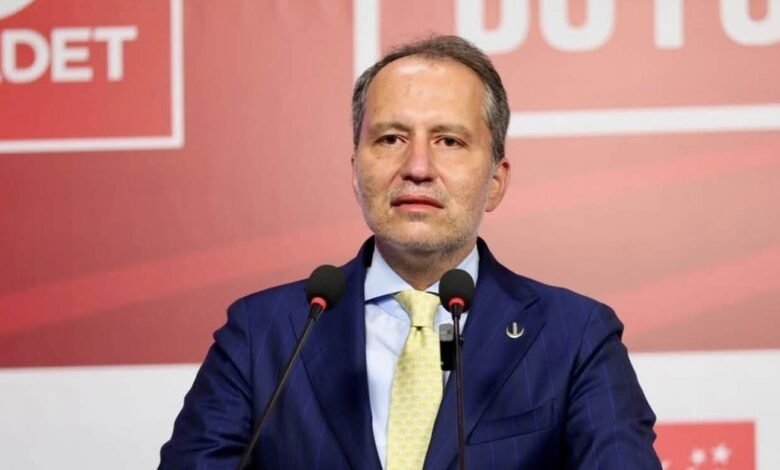
Among those denied entry is Fatih Erbakan, the newly appointed leader of Turkey’s Welfare Party. Also included in the ban are MP Umur Faruk Gergerlioğlu, former judge and sports commentator Ahmet Çakar, and journalist Yusuf Kaplan. The inclusion of high-profile political and media figures suggests a targeted response to recent activities or statements made by these individuals.
In immediate reaction to the travel restrictions, Fatih Erbakan launched a sharp critique against Azerbaijani President Ilham Aliyev. Erbakan used his social media platform to condemn the Azerbaijani leadership on multiple fronts. He specifically called for the lifting of the headscarf ban imposed on students in Azerbaijan, stating, “Sayın İlham Aliyev! Let the headscarf ban for students in Azerbaijan be lifted, it’s enough. We can manage without coming.”
Erbakan further criticized Aliyev for hosting Israeli President Isaac Herzog in Baku, accusing the Azerbaijani president of losing sight of true allies after welcoming what he termed a “Zionist killer.” He wrote, “After hosting Zionist killer Herzog in Baku, you became blind to your real friends. This is enough for you!” He emphasized that his understanding of brotherhood with Azerbaijan was learned not from Aliyev, but from historical figures like Elchibey, Rasulzade, and Tagiyev.
Despite the diplomatic friction, Erbakan reiterated his support for Turkish-Azerbaijani unity, concluding his post with the slogan, “Long live Turkey and Azerbaijan brotherhood! Long live two states, one nation! Long live unity in language, thought, and action!” The incident highlights growing tensions between Ankara and Baku regarding regional alliances and domestic policies, particularly concerning religious freedoms and foreign relations with Israel.