The Economist reports that decades of US intervention in the Middle East have weakened the confidence of Washington’s allies in America’s ability to protect the region. The current war with Iran has deepened this shift, as Gulf states have suffered economic damage and begun questioning the future of US security commitments. The magazine argues that 35 years of US dominance in the area have fostered a perception among partners that Washington has become part of the problem rather than the solution, contrasting sharply with the optimism that followed the expulsion of Iraqi forces from Kuwait in 1991.
Stalled Diplomacy and Economic Toll
The publication notes that the war, initiated by President Donald Trump, was expected to end quickly but has entered its eighth month without a clear resolution. This prolonged conflict has inflicted significant economic harm on Arab Gulf allies and disrupted global markets. Indirect talks held at the UN on September 22, mediated by Qatari envoys, lasted three hours. While Trump described them as highly productive, diplomats assessed that they merely allowed both sides to reiterate positions without achieving a breakthrough. Iran seeks a return to the June memorandum of understanding, whereas Trump prefers negotiating a new agreement.
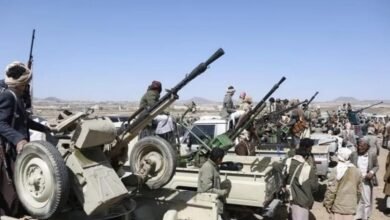
Simultaneously, tensions have escalated in Yemen. Houthi forces violated a 2022 ceasefire, controlling parts of the southwestern coast and resuming attacks on Saudi Arabia. The US relies on economic pressure, including a blockade on Iranian navigation, which has caused port stoppages and forced trade rerouting via land routes. Hundreds of trucks have been stranded at borders, the Iranian rial has hit record lows, inflation approaches 100 percent, and restrictions on Iranian flights threaten pharmaceutical supply chains.
Erosion of Security Guarantees
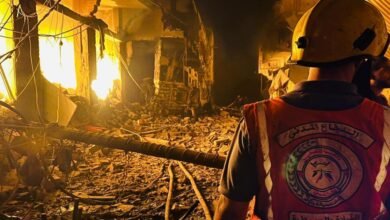
The article highlights that previous US interventions, from ground troops in Iraq to air strikes in Libya and support for Syrian fighters, failed to deliver clear benefits to US interests while often creating chaos. The current war has exacerbated these issues, causing hundreds of billions in losses for Gulf economies due to reduced oil and gas sales, declining tourism, and infrastructure damage. These developments are expected to constrain future US roles in the region.
Gulf states, already skeptical after Obama’s refusal to intervene in Syria in 2013 and subsequent Iranian attacks on Saudi Arabia and the UAE, now doubt US commitment. A Gulf diplomat noted that discussing the future of US bases is currently inappropriate. However, the war may prompt Washington to abandon large permanent facilities, with regional officials hoping to negotiate new usage terms. The US has already begun reducing its military footprint, completing withdrawals from Syria and preparing to leave Iraq by late September.
Regional Responsibility
The Economist concludes that no external power can fill the void left by a retreating US. Europe lacks capacity, Russia is tied up in Ukraine, and China shows no willingness to lead directly. Consequently, regional powers—Iran, Israel, and Turkey—must take greater responsibility. While each possesses significant military or diplomatic leverage, none can easily replace the existing order. Long-term stability will require Arab states to develop stronger militaries, build robust alliances, and agree on the nature of the regional system they wish to construct.