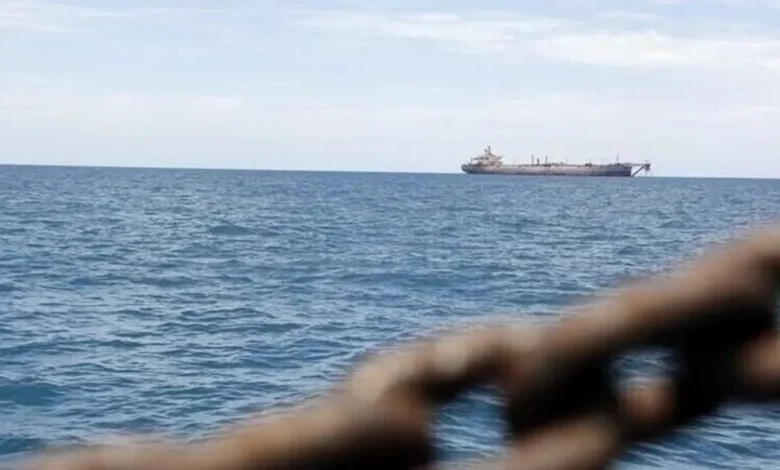
The United States has imposed strict scheduling requirements on oil tankers navigating the Strait of Hormuz, mandating that vessels pass through designated time slots to secure military protection. This directive, reported by the Financial Times on Saturday, comes in response to a significant escalation in Iranian attacks targeting ships traveling during nighttime hours.
According to Reuters, Washington has provided aerial protection for vessels since May, specifically covering a route running parallel to the coast of the Sultanate of Oman on the southern side of the strait. However, emails sent by the US Maritime Coordination Center to maritime advisors indicate that since the beginning of September, this protective window has been narrowed to two specific daily periods. The reduction aims to concentrate defensive resources more effectively against the heightened threat level.
On Friday, Iran announced plans to hold talks with Gulf states in Oman on Monday regarding the strategic waterway. The Iranian Foreign Ministry stated in a declaration that the meeting seeks to enhance mutual understanding among regional nations and contribute to shared regional security. Iraq and other Gulf countries are expected to participate in these discussions.
The current crisis stems from an exchange of strikes between Iran and US-Israeli forces on February 28. In retaliation, Iran closed the Strait of Hormuz, a chokepoint that previously facilitated the transport of approximately 20% of the world’s oil and liquefied natural gas before the conflict began. Six months into the hostilities, the disruption continues to drive energy prices upward, with crude oil surpassing the $100-per-barrel threshold earlier this week.
Geographically, the strait is bounded by the Iranian coast to the north and Oman to the south. For weeks, the two nations have been negotiating future management protocols for the passage, which was previously unrestricted. Iran now requires ships to obtain permits for transit and is considering a service fee mechanism. Tehran has established a transit path along its northern shores, rejecting an alternative southern route defined by Oman near its own coastline. Iranian forces regularly target vessels violating these conditions, while the US conducts intermittent airstrikes on Iranian coastal targets. President Donald Trump has asserted American control over the strait amidst the ongoing standoff.