Over four years, a pattern of administrative failure has characterized various ministries within the Israeli occupation government, particularly those overseeing settlement, religion, and heritage. An assessment of these portfolios highlights significant financial expansions in settlement activities and religious identity initiatives, occurring against a backdrop of inefficiencies in other critical areas such as northern reconstruction and southern development.
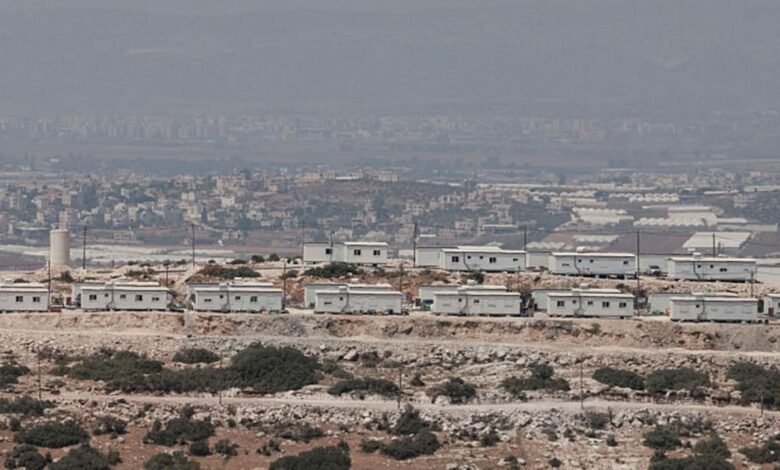
The Ministry of Settlement and National Missions, led by Orit Strook, saw its budget increase fivefold over seven months, rising from 133 million shekels to 653 million shekels. This surge occurred during ongoing military operations in Gaza. Of this increase, 75 million shekels were allocated specifically for security components in West Bank settlements. Additionally, in 2024, the ministry received an extra 200 million shekels from coalition funds, part of which was directed toward illegal outposts under Israeli law. The funding mechanism for these outposts involves eight distinct channels, including 28 million shekels for settlements—with 15 million designated for farms—and 75 million shekels for emerging settlements. These allocations have prompted Western nations to impose sanctions on their financiers.
Parallel to settlement expansion, the government dedicated approximately 1.3 billion shekels to enhance “Jewish Identity” among secular and traditional populations. Specific allocations included 500 million shekels for the Ministry of Jerusalem and Jewish Tradition, 270 million shekels for cultural programs within the Settlement Ministry, 200 million shekels for the Heritage Ministry, and 185 million shekels for the Jewish Identity Authority. The Prime Minister’s Office also saw a 16.3% budget increase compared to the previous administration, with roughly 1.3 billion shekels assigned to an unspecified category, despite simultaneous VAT hikes and reductions in social welfare budgets.
In the realm of religious services, Michael Malshi of Shas proposed legislation to triple the number of state-funded rabbis, potentially creating 1,070 new positions to raise the total from 491 to 1,572. This expansion, costing between 100 and 120 million shekels annually, would appoint rabbis in 33 cities lacking them and introduce neighborhood-level appointments for the first time in two decades, while reducing public representation in rabbinical elections. Following Shas’s withdrawal from the coalition, responsibility for Religious Services passed to Justice Minister Yariv Levin.
Conversely, other ministries faced scrutiny for mismanagement. The Ministry of Heritage, headed by Amichai Eliyahu of the Jewish Power party, received a 40% budget increase to 74 million shekels plus 200 million shekels for Jewish identity. Despite being suspended from government meetings after calling for a nuclear strike on Gaza in November 2023, Eliyahu retained his position and budget. The Ministry of Jerusalem and Jewish Tradition, led by Meir Porush, secured a protected 250 million shekels in 2024 without parliamentary oversight or reporting requirements.
Neglect marked the performance of the Ministry of Negev and Galilee Development. Despite receiving 120 million shekels for a five-year plan for the Arab Bedouin community, only 17 million shekels were utilized after two years. Similarly, the Interior Ministry failed to spend 2.9 million shekels out of 252 million allocated for the region. The State Comptroller attributed deteriorating governance in the Negev primarily to the Prime Minister’s Office, which also failed to oversee the reconstruction of northern settlements following the war with Lebanon.