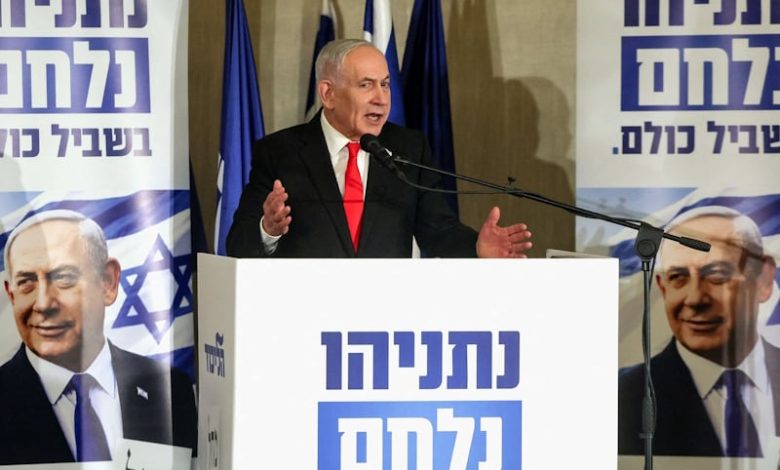
Paris-based analysis by the French daily Libération highlights a growing political crisis for Israeli Prime Minister Benjamin Netanyahu, triggered by a report in the Israeli newspaper Haaretz. The report alleges that intelligence warnings regarding a potential large-scale Hamas attack were received by Netanyahu weeks before the October 7, 2023 assaults but were not passed to security officials. This development has intensified scrutiny on the Prime Minister’s personal responsibility for what is described as Israel’s worst security failure, just months before legislative elections and the third anniversary of the attacks.
Opposition Demands Accountability
The revelations have galvanized Netanyahu’s political rivals. Former Chief of Staff Gadi Eisenkot, alongside Yair Golan, Avigdor Lieberman, and former Prime Minister Naftali Bennett, issued a rare joint statement demanding clarity on what the Prime Minister knew and when. They called for an official government commission of inquiry into the events of October 7, a measure Netanyahu has consistently refused to establish. Bennett, representing the nationalist right, explicitly accused his former ally of direct personal responsibility for the catastrophe, aiming to erode support among voters who favor hardline security policies but are disillusioned with Netanyahu’s leadership.
Diplomatic Tensions and Denials
According to Haaretz, Netanyahu may have received a specific warning from UAE President Sheikh Mohamed bin Zayed approximately ten days before the attack, citing concerns about Yahya Sinwar preparing a major operation. While Netanyahu’s office dismissed these claims as “absolute lies,” a senior Israeli intelligence source confirmed to Yedioth Ahronoth and Walla that Abu Dhabi had indeed shared credible information about an imminent Hamas plot prior to the massacre. The UAE declined to comment directly on the allegations, noting only that intelligence sharing occurs between the two nations’ security apparatuses.
Shifting Political Narratives
Libération notes that this situation forces the election campaign back onto the terrain of accountability, which Netanyahu has sought to avoid for three years. In response, the Likud party and coalition allies have promoted conspiracy theories suggesting that security establishment figures or political opponents were aware of the attack and allowed it to happen, with some even alleging treason. Sarah Netanyahu hinted that Yair Golan possessed prior knowledge due to his early arrival at the Nova festival site, though Golan stated he went there voluntarily to assist victims.
Despite these counter-narratives, the new information undermines Netanyahu’s core political argument that he is indispensable for national security. Polls indicate that while Netanyahu retains a solid base, his party risks losing significant seats compared to 2022 levels, potentially falling short of the 61 seats needed for a majority. As the anniversary approaches, the central question remains unresolved: who knew what, and who must bear the ultimate responsibility?