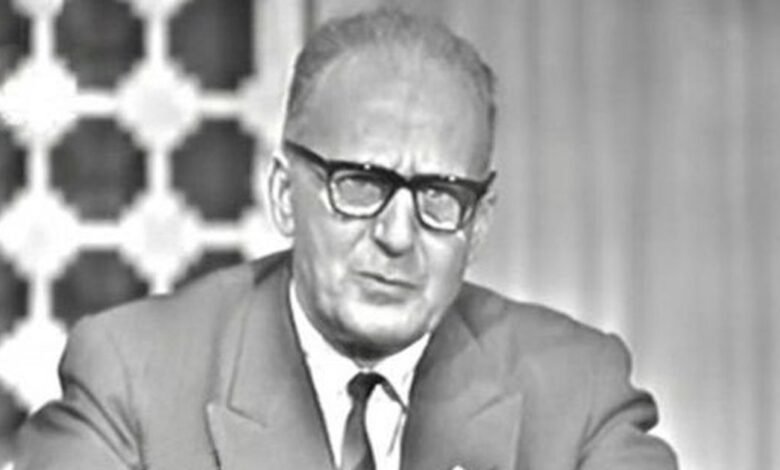
The Painful Paradox of Intellectual Legacy
On the occasion of the death anniversary of Malik Bennabi, a prominent figure in Arab and Islamic reformist thought, a critical question emerges regarding the relationship between society and its intellectuals. There is a painful paradox where the value of thinkers is often discovered only after their departure. Names are elevated to symbolic status, commemorations are held, and quotes are recycled, yet daily life proceeds as if their words hold no relevance. Society grants these figures a place in memory but denies their ideas a place in reality. Their phrases are preserved, yet they are not allowed to disturb established certainties, challenge customs, or expose flaws in behavior and institutions.
Beyond Colonial Blame: The Burden of Internal Responsibility
Bennabi was not merely seeking fame or content with diagnosing symptoms of backwardness. He was preoccupied with harder questions: How do civilizations form? Why do nations rise while others decline? What causes humans to lose their initiative and fail to transform potential into civilizational achievements? His thinking transcended complaints about colonialism. Although he experienced French colonization in Algeria, he understood that political independence alone was insufficient for civilizational recovery. True liberation required freedom of mind and will, alongside building individuals capable of organizing their lives and resources. Independence was not the end of the road, but the beginning of a more difficult test: the capacity for construction.
The Concept of “Colonizability” and Self-Reflection
Bennabi introduced the concept of “colonizability,” arguing that colonialism cannot be understood solely through the strength of the colonizer. It must also be analyzed through internal conditions that allow domination and prolong its effects. This is not an exoneration of colonial crimes, but a call to avoid using historical grievances as the sole explanation for present failures. A society that reduces its problems to its enemies may feel innocent, but it does not necessarily gain the ability to change. Conversely, a society that reviews itself, admits mistakes, and distinguishes between what was imposed and what was self-made takes the first step toward reform.
Preserving Ideas Without Fulfilling Conditions
There is much talk about the renaissance, but little attention to its conditions. Societies desire civilizational results without committing to prerequisites. They aspire to advanced institutions without establishing a culture of institutionality, demand respect for law while tolerating circumvention, and complain about wasted time without valuing it. Civilization is not an enthusiastic discourse or a slogan; it is an accumulated construction starting with the individual’s mindset, work ethic, and relationship with science and responsibility. It then extends to institutions that organize public life and protect effort. Honoring Bennabi today is a intellectual necessity, not just a cultural duty. It requires moving from celebrating his heritage to resuming his civilizational project, transforming ideas into practice and principles into institutional reality.