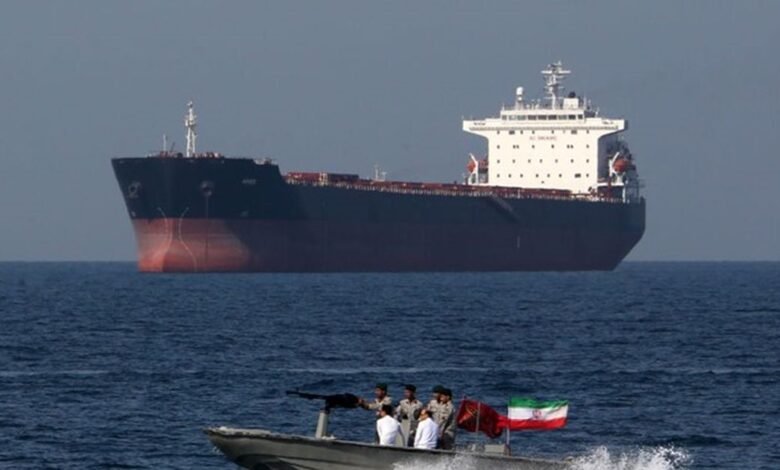
Oil prices advanced on Friday, positioning for a fourth consecutive month of gains as geopolitical tensions in the Middle East intensified. The surge followed an attack on a tanker in the Strait of Hormuz, highlighting vulnerabilities in energy supply routes from the Gulf region. Brent crude futures for December delivery rose by $2.27, or 1.98 percent, to reach $117.15 per barrel by 08:45 GMT. The more active January contract climbed $2.19 to $112.99 per barrel. West Texas Intermediate (WTI) increased by $1.79, or 1.75 percent, to $103.79. On a monthly basis, Brent is set for approximately a 13 percent rise, while WTI is expected to gain around 15 percent.
The British Maritime Trade Operations agency reported that a vessel was struck by explosives mounted on a small boat in the strategic waterway, though responsibility for the incident remains unclear. This event has heightened concerns regarding energy security. Olli Hansen, commodities strategy director at Saxo Bank, noted increasing market anxiety ahead of the US midterm elections, with some investors and analysts anticipating a resumption of US strikes on Iran post-election. Giovanni Stavropoulos, an analyst at UBS, stated that the probability of escalation and supply disruptions remains high, citing Iranian officials’ caution regarding near-term diplomatic breakthroughs.
Diplomatic channels remain active but fragile. Qatari mediators returned to Tehran on Friday in efforts to facilitate an agreement between Washington and Tehran. Meanwhile, US President Donald Trump announced that Vice President JD Vance contacted Iran to assist with medical supplies. Iranian news agency Tasnim reported receiving a message from Vance but stated no response had been issued yet, emphasizing that Tehran awaits US compliance with its conditions. In a sign of security apprehensions, Exxon Mobil and Chevron canceled executive participation in the upcoming major oil exhibition in the UAE.
In precious metals markets, gold fell 2.02 percent to $3,939.23 per ounce, hitting a low of $3,936.82, its lowest level since November 2025. The decline was driven by rising oil prices and persistent inflation fears, which reinforced expectations that the Federal Reserve will continue raising interest rates, thereby pressuring the yellow metal.
US equity markets faced significant pressure, particularly in the technology sector. The Nasdaq Composite opened at its lowest level in over two months, dropping 592.2 points, or 2.26 percent, to 25,592.486. Investors expressed concern over massive infrastructure spending for artificial intelligence and the timeline for returns on such investments. These worries were exacerbated by Amazon’s announcement of substantial AI expenditures and Intel’s warning regarding liquidity drain. The S&P 500 fell 89.3 points, or 1.16 percent, to 7,631.07, while the Dow Jones Industrial Average rose slightly by 41.3 points, or 0.08 percent, to 52,383.9.