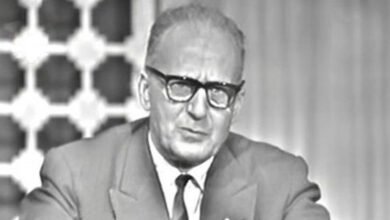
The Tunisian judicial system delivered a severe blow to the country’s political opposition on Thursday when the Primary Court in the capital sentenced Riadh Ben Fadhel, the businessman and general coordinator of Al Qutb party, to 20 years in prison. The verdict was handed down amid allegations concerning money laundering and financial and administrative corruption related to the management of confiscated state properties.
Al Qutb party issued a statement on Facebook expressing outrage at the severity of the sentence. The party declared that the authorities had not been satisfied with imposing heavy prison terms on their opponents or accumulating long sentences in their records. By adding another twenty years to Ben Fadhel’s punishment, the regime demonstrated its choice to confront dissenters through imprisonment, harassment, and revenge. The statement emphasized that this system treats freedom as a price paid by anyone daring to disagree or stand firm on their convictions.
The party argued that the judgment does not merely reflect the injustice inflicted upon Ben Fadhel but also exposes the nature of a regime that now sees no option other than punishment and retribution against its rivals. It characterized political disagreement as a crime warranting incarceration, labeling the ruling as a new chapter in the political crimes committed by the current administration against those who dream of a state based on liberty, dignity, and social justice.
Hisham Ajrouni, secretary-general of the Ettakatol party, dismissed the ruling as an act of vengeance and liquidation rather than a legitimate judicial decision. He asserted that Ben Fadhel was imprisoned because he opposed the ruling power, not because he purchased confiscated properties according to established procedures. Ajrouni noted that a twenty-year sentence is appropriate for crimes such as murder or rape but is disproportionate for a financial offense, questioning whether such a crime even existed.
Activist Mehdi El-Ach highlighted his certainty that the sentence was politically motivated, citing hints from President Kais Saied regarding Ben Fadhel. He argued that the financial charges distributed by the regime against politicians, media figures, and activists are merely tools to imprison and discredit them. El-Ach stated that regardless of the file contents, Ben Fadhel is not a money launderer, nor are other detainees considered so. He predicted the inevitable fall of the regime and called for the release of all prisoners.
Earlier, the Association Takaatoul for Rights and Freedoms raised serious concerns about the respect for basic guarantees of a fair trial, including the right to a public hearing within a reasonable time without unjustified delays. The association warned that prolonged detention risks becoming a de facto penalty before a final judicial ruling. They demanded Ben Fadhel’s immediate release, full respect for his rights, and adherence to the Tunisian Constitution and international human rights obligations.